
Electrical Infrastructure

Power transmission lines across rural farmland for ACHM cultural heritage and project assessment context

Delivering Cultural Heritage Services Across Australia's Electricity Network

Australian Cultural Heritage Management has delivered heritage services for a broad range of electricity infrastructure projects across Australia, for network owners, generators, resources companies and delivery contractors including BHP, Rio Tinto, Ventia, SP AusNet, ElectraNet and Alinta Energy.

Our experience covers new high voltage transmission lines, network upgrades and duplications, route realignments, and the relocation of electricity assets associated with major transport, urban development and infrastructure projects. We have also supported distribution network upgrades, substation developments and grid connection works for renewable energy projects, working from early feasibility and route selection through to construction and commissioning.

ACHM’s multidisciplinary team provides heritage support across the full asset lifecycle, including due diligence assessments, Cultural Heritage Management Plans, historic heritage assessments, GIS based constraints mapping, stakeholder and Traditional Owner engagement, and construction monitoring. Projects have included 66kV powerlines between Somerton and Craigieburn and between Keilor East and Tullamarine, the powerline upgrade between Leongatha and Korumburra, the Rio Tinto Hope Downs 1 to Hope Downs 4 220kV powerline, Reeves Plain power station, Bairnsdale power station upgrades, and the BHP Ministers North 132kV powerline relocation.

That depth of experience is what allows us to manage regulatory risk, maintain project momentum and deliver compliant, practical outcomes on complex powerline, upgrade and relocation projects, in any Australian jurisdiction.

Client

Clients include BHP, Rio Tinto, Ventia, SP AusNet, ElectraNet and Alinta Energy

Location

National

Sectors

Minerals & Energy
Infrastructure
Public Sector
Renewables

Services

Project Snapshot

power line between Somerton and Craigieburn
0 kv
power line between Keilor East and Tullamarine
0 kv
powerline for Rio Tinto Hope Downs 1 to Hope Downs 4
0 kv
powerline relocation for BHP Ministers North
0 kv

Results Delivered

Delivering Cultural Heritage Management for Transmission Line, Substation and Grid Connection Projects

Australian Cultural Heritage Management has delivered heritage services for a broad range of electricity infrastructure projects nationally, for clients including BHP, Rio Tinto, Ventia, SP AusNet, ElectraNet and Alinta Energy. Our team supports transmission lines, network upgrades, substation developments and grid connection works from route selection through to construction and commissioning, protecting energisation dates while managing regulatory risk across multiple jurisdictions.

Frequently Asked Questions

Do transmission line projects require a Cultural Heritage Management Plan?

It depends on the jurisdiction and the land the corridor crosses. In Victoria, a mandatory CHMP applies where a high impact activity occurs within an area of cultural heritage sensitivity, while other states apply different frameworks, so a corridor crossing state borders may need several instruments addressed under one project. Australian Cultural Heritage Management manages this across jurisdictions for national energy clients including BHP, Rio Tinto, SP AusNet and ElectraNet.

Ideally at route selection, while alignment options remain open and constraints identified can be avoided at minimal cost. Once easements are acquired and towers are designed, the same constraint can mean salvage excavation or costly redesign. Australian Cultural Heritage Management supports clients from early feasibility and route selection through to construction and commissioning across the electricity network.

GIS-based constraints mapping combines heritage registers, sensitivity mapping and survey results into a single spatial layer, allowing route and siting decisions to be made against documented heritage risk rather than despite it. Australian Cultural Heritage Management provides constraints mapping as part of our heritage support for transmission, substation and grid connection projects nationally. Find out more about our GIS and mapping services.

Frequently, yes. Approvals commonly require archaeological monitoring of ground disturbance in sensitive areas, giving a project an immediate, compliant response if previously unrecorded material is exposed during works. Australian Cultural Heritage Management has provided construction monitoring for electricity infrastructure projects including transmission upgrades, substation developments and powerline relocations for clients such as BHP and Rio Tinto.

East Grampians Rural Pipeline

Delivering Cultural Heritage Management Plan Approvals at Scale Across a 2,200 Kilometre Pipeline Corridor

Cape Dunstans is a Joint Venture formed by civil and underground infrastructure contractors, Cape and Dunstans Construction Group. They specialize in large-scale utility installation, civil earthworks, and complex horizontal directional drilling (HDD) / trenchless pipe laying. They were the lead construction contractor responsible for installing the pipeline infrastructure.

Grampians Wimmera Water is a state-owned Victorian water corporation responsible for managing urban, rural, and stock water supplies, as well as sewerage systems, across the Grampians, Wimmera, and Mallee regions. They were the regional asset owner driving major water security initiatives like the East Grampians Rural Pipeline.

The East Grampians Rural Pipeline replaces open channel supply with piped water across a very large area of western Victoria, improving reliability and water security for farming communities throughout the region.

Linear projects of this scale present a distinctive heritage challenge. The alignment crosses multiple Registered Aboriginal Party areas, hundreds of private landholdings and a wide range of landforms, each with its own archaeological potential. Assessing that consistently, and at pace, is a logistical undertaking as much as a technical one.

Australian Cultural Heritage Management was engaged by Cape Dunstans and Grampians Wimmera Water to deliver the heritage approvals for the project, undertaking archaeological survey and excavation along almost 2,200 kilometres of proposed alignment. ACHM has completed six Complex Cultural Heritage Management Plans and numerous amendments in collaboration with the Wadawurrung, Barengi Gadjin and Eastern Maar Registered Aboriginal Parties, with complex assessment resulting in the excavation of approximately 1,000 1m x 1m test pits.

Alongside the technical program, ACHM managed access across dozens of individual farms safely and respectfully, so that landholder relationships were maintained while the assessment program kept moving.

Client

Grampians Wimmera Mallee Water

Location

Western Victoria

Sectors

Infrastructure
Public Sector

Services

Project Snapshot

1m x 1m test pits excavated
0 +
Complex CHMP completed
0
linear kilometres of archaeological assessment
0

Results Delivered

Managing Complex CHMP Approvals Across the East Grampians Rural Pipeline

Australian Cultural Heritage Management delivered the heritage approvals for the East Grampians Rural Pipeline, undertaking archaeological survey and excavation along almost 2,200 kilometres of proposed alignment. Working in collaboration with three Registered Aboriginal Parties, ACHM completed six Complex Cultural Heritage Management Plans and managed safe landholder access across dozens of farms, keeping construction moving on an approved footing.

Frequently Asked Questions

How is cultural heritage assessed for a long linear pipeline project?

Linear projects are assessed corridor by corridor, combining desktop review, landform-based survey and, where warranted, systematic subsurface testing, so that constraints can inform alignment decisions while the design remains flexible. For the East Grampians Rural Pipeline, this approach was applied across almost 2,200 kilometres of proposed alignment. Australian Cultural Heritage Management delivered the archaeological survey and excavation program for this project.

Rarely. Alignments crossing multiple Registered Aboriginal Party areas generally require separate Cultural Heritage Management Plans, and long projects often need amendments as design evolves. For the East Grampians Rural Pipeline, Australian Cultural Heritage Management completed six Complex CHMPs and numerous amendments in collaboration with the Wadawurrung, Barengi Gadjin and Eastern Maar Registered Aboriginal Parties. See our CHMP services.

Subsurface testing typically involves excavating small, systematically placed test pits along the activity area to determine whether archaeological deposits are present and, if so, their extent and significance. On the East Grampians Rural Pipeline, this program resulted in the excavation of more than 1,000 1m by 1m test pits across the alignment. Australian Cultural Heritage Management manages this kind of assessment at scale for linear infrastructure projects nationally.

Landholder access is managed through coordinated liaison, agreed access arrangements and clear communication about timing, so that assessment can proceed without damaging relationships with individual property owners. Australian Cultural Heritage Management safely managed access across dozens of farms along the East Grampians Rural Pipeline alignment while the assessment program continued on schedule.

Department of Environment, Land, Water and Planning

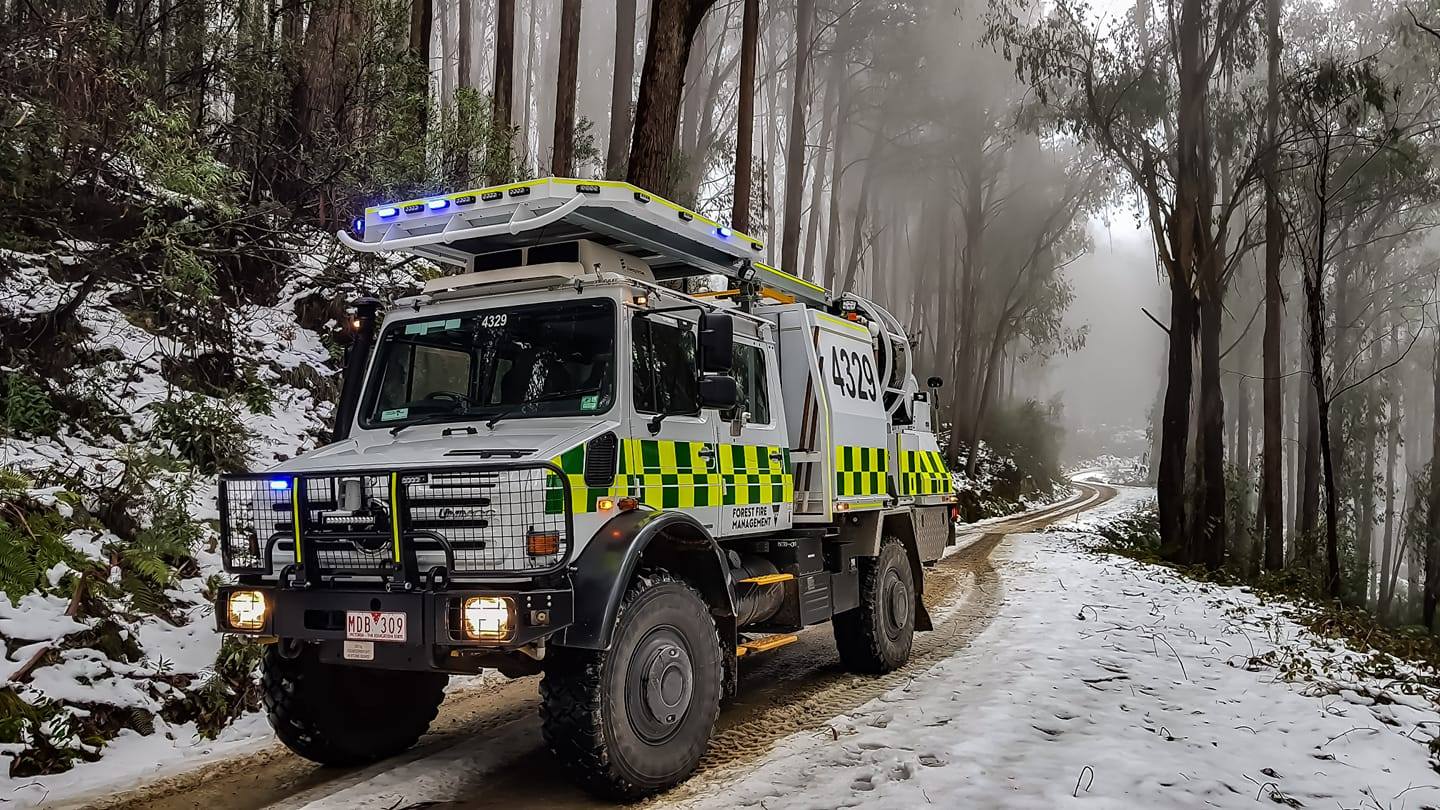
Emergency management vehicle on snowy forest road for ACHM project assessment context

Updating Aboriginal Heritage Records Across the Victorian High Country for Bushfire Management

The Gippsland Fire Management division of the Department of Environment, Land, Water and Planning was responsible for planned burning, fire access and bushfire preparedness across public land in eastern Victoria.

Fuel reduction and fire access works are time critical, weather dependent and spread across a vast estate. Many of the Aboriginal places recorded in that landscape were registered decades ago, with location accuracy and condition information that no longer met current standards. Planning works around records of uncertain quality creates real risk of inadvertent harm, and equally, of avoiding ground unnecessarily.

Australian Cultural Heritage Management was engaged to provide cultural heritage management advice, field assessment and site recording services to the bushfire management team. The work involved revisiting and assessing more than 200 Aboriginal places, predominantly in the Victorian high country, re-recording and updating Victorian Aboriginal Heritage Register records, and applying for Cultural Heritage Permits and preparing Cultural Heritage Management Plans where these were required.

The division was left with a current, accurate and spatially reliable picture of Aboriginal cultural heritage across its area of responsibility, capable of informing operational planning season after season.

Client

Department of Environment, Land, Water and Planning (Gippsland Fire Management)

Location

Gippsland, Victoria

Sectors

Public Sector

Services

Results Delivered

Supporting Bushfire Preparedness With Aboriginal Site Recording and Register Updates

Australian Cultural Heritage Management provided cultural heritage management advice, field assessment and site recording services to the Gippsland Fire Management division of DELWP, revisiting and assessing more than 200 Aboriginal places across the Victorian high country and updating Victorian Aboriginal Heritage Register records accordingly. The result was a current, spatially reliable evidence base capable of informing operational fire planning season after season.

Frequently Asked Questions

What is the Victorian Aboriginal Heritage Register and why does it need updating?

The Victorian Aboriginal Heritage Register is the statutory record of Aboriginal places and objects across Victoria, and it underpins all cultural heritage sensitivity mapping in the state. Many entries were recorded decades ago, before modern GPS, with location and condition information that no longer meets current standards. Australian Cultural Heritage Management re-recorded and updated more than 200 Aboriginal places across the Victorian high country for the Gippsland Fire Management division of DELWP.

Yes. Fuel reduction burning, fire access track construction and containment line works can all disturb ground or expose Aboriginal places to fire impact, and assessment allows operations to be planned so that known places are identified and managed. Australian Cultural Heritage Management provided cultural heritage management advice, field assessment and site recording services to support DELWP’s bushfire management program across the Victorian high country. See our archaeological assessment services.

A Cultural Heritage Permit authorises an activity that will or may harm Aboriginal cultural heritage where a full Cultural Heritage Management Plan is not required, and it is commonly used for works on public land such as fire access tracks or vegetation management. Australian Cultural Heritage Management applied for Cultural Heritage Permits and prepared Cultural Heritage Management Plans where required as part of the Gippsland bushfire management program.

Estate-wide programs that combine desktop review, targeted field assessment and systematic register updating give land managers a landscape-scale, spatially reliable understanding of cultural heritage, far more efficient than assessing each works package individually as it arises. Australian Cultural Heritage Management delivered exactly this kind of program for DELWP, revisiting and re-recording places across the Victorian high country.

Country Fire Authority

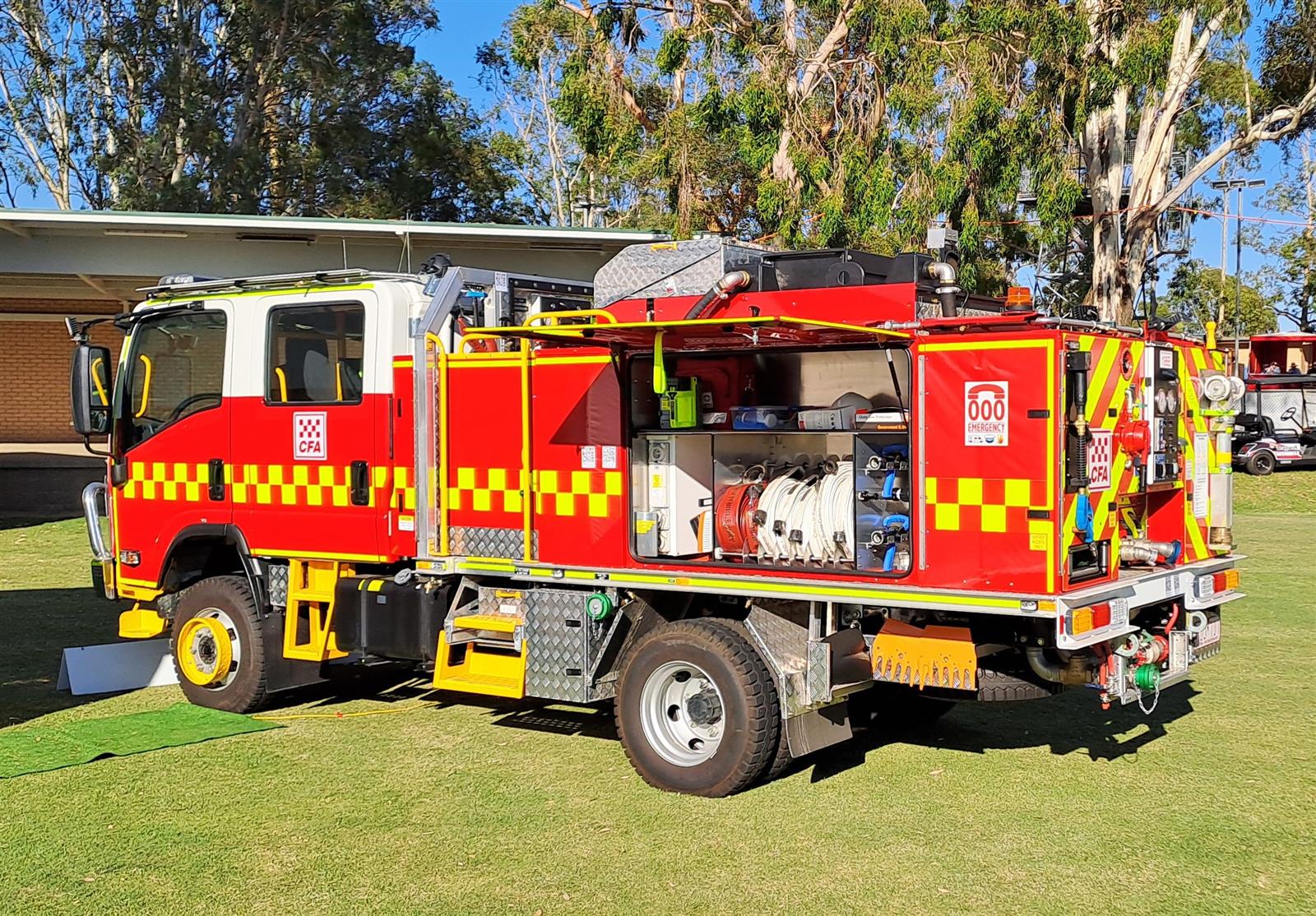
Red CFA fire truck with open side compartments showing hoses and emergency equipment

Keeping Regional Emergency Services Infrastructure Compliant With Aboriginal Heritage Regulations Across Victoria

The Country Fire Authority is Victoria’s volunteer and career fire and emergency service, delivering an ongoing program of new and upgraded fire stations across regional and outer metropolitan Victoria.

Station projects are individually modest but collectively demanding from a heritage perspective. Sites are spread across multiple Registered Aboriginal Party areas, land options in small townships are often limited, and community expectation for delivery is high. A heritage constraint discovered late on a single site can hold up a build with no realistic alternative location.

Australian Cultural Heritage Management has supported the Country Fire Authority across this program, completing a Cultural Heritage Management Plan for the Pyalong CFA Station and due diligence assessments for proposed stations at Callawadda, Clear Lake, Pomonal, Greendale, Buninyong, Dundonnell and The Basin. Our team worked with Registered Aboriginal Parties, stakeholders and project planners to identify and assess cultural heritage sensitivity early in planning, so designs could be refined where needed and compliance pathways confirmed before commitments were made.

The result is emergency services infrastructure delivered in full compliance with Victorian Aboriginal cultural heritage legislation, with the deep histories and cultural landscapes of regional Victoria properly accounted for in the process.

Client

Country Fire Authority (CFA)

Location

Victoria

Sectors

Infrastructure
Public Sector

Services

Results Delivered

Delivering Cultural Heritage Due Diligence and CHMP Approvals Across a Statewide CFA Station Program

Australian Cultural Heritage Management supported the Country Fire Authority across a series of new and upgraded fire station developments throughout regional Victoria, completing a Cultural Heritage Management Plan for the Pyalong CFA Station and due diligence assessments for seven further proposed sites. Working closely with Registered Aboriginal Parties and project planners, our team identified and managed cultural heritage sensitivities early, keeping delivery of critical community infrastructure on track.

Frequently Asked Questions

Do new fire stations require cultural heritage assessment in Victoria?

Yes, in many cases. Construction of a new facility is classified as a high impact activity under the Aboriginal Heritage Act 2006, and where the site falls within an area of cultural heritage sensitivity a due diligence assessment, and potentially an approved CHMP, is required before works can proceed. For the Country Fire Authority’s regional station program, Australian Cultural Heritage Management completed due diligence assessments across seven proposed sites and an approved CHMP for the Pyalong CFA Station. Learn more about our due diligence services.

A due diligence assessment reviews sensitivity mapping, heritage registers and site conditions to determine whether an activity triggers a mandatory CHMP. Where the site is found to be significantly ground disturbed or the activity does not meet the threshold for a high impact activity, no further assessment may be required, allowing a project to proceed with confidence. Australian Cultural Heritage Management completed this assessment across seven CFA station sites, several of which were cleared to proceed on this basis.

Assessing a portfolio of sites together, rather than one project at a time, gives an agency a comparable risk picture across its capital works program and allows effort to be directed to the sites that genuinely require it. Australian Cultural Heritage Management applied a consistent assessment methodology across the CFA’s Callawadda, Clear Lake, Pomonal, Greendale, Buninyong, Dundonnell and The Basin station projects, alongside the Pyalong CHMP.

A mandatory CHMP is triggered where a high impact activity, such as significant ground disturbance for a new building, is proposed within an area of cultural heritage sensitivity as mapped under the Aboriginal Heritage Act 2006. Site size alone is not the deciding factor. A due diligence assessment is the fastest way to confirm whether a small regional project, such as a new CFA station, falls within this requirement.

Bruce Highway (Cooroy to Curra)

Delivering Independent Aboriginal Cultural Heritage and Archaeological Assessment for a Major Queensland Highway Upgrade

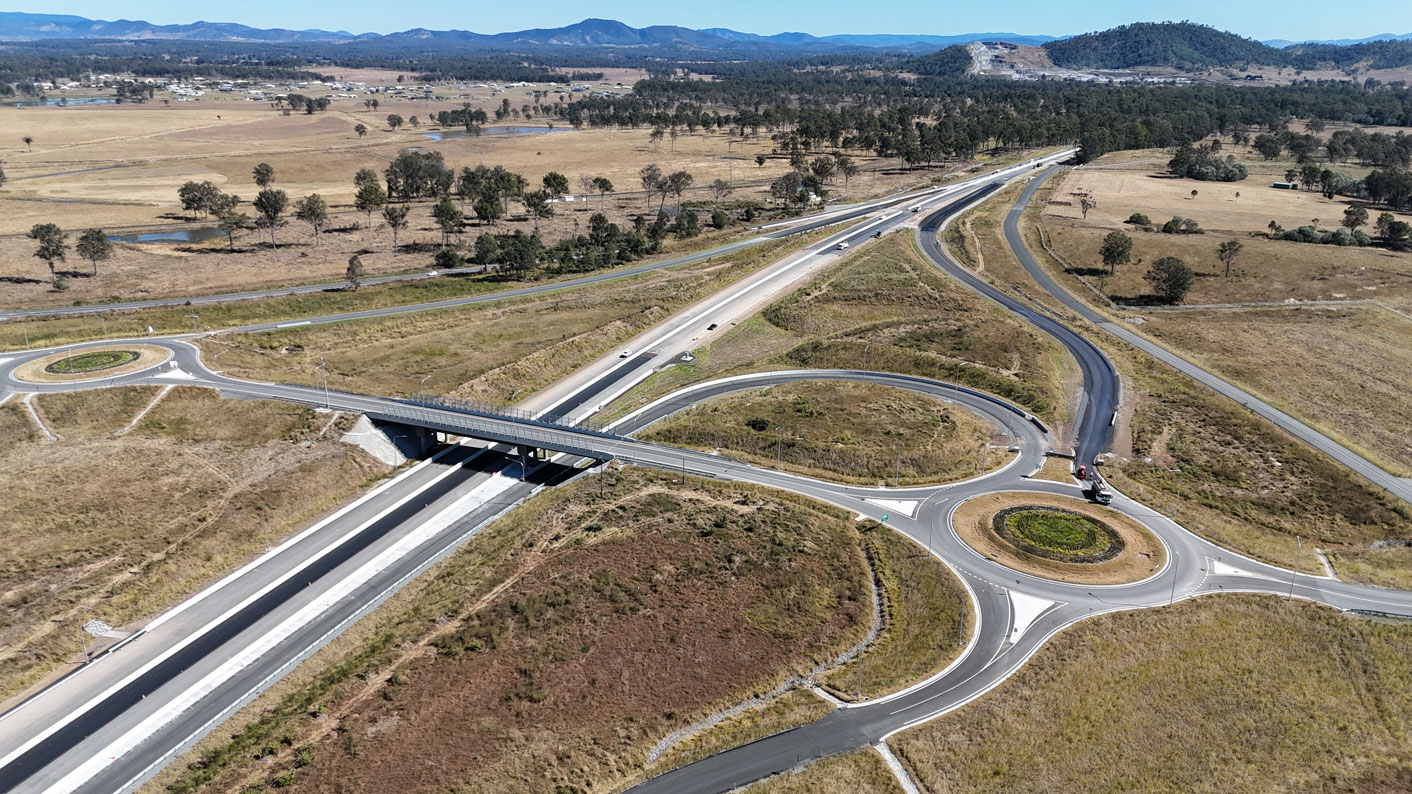
The Department of Transport and Main Roads plans, delivers and maintains Queensland’s road and transport network. Its major highway upgrade programs cross varied landscapes and land tenures, requiring Aboriginal and historic cultural heritage to be assessed and managed alongside engineering, environmental and community considerations.

Part of the corridor near Gympie takes in a landform widely referred to as the ‘Gympie Pyramid’. The place has attracted sustained public interest and competing claims about its origins and significance over many decades, which made an independent, methodical assessment essential rather than optional.

Australian Cultural Heritage Management was commissioned by the Department of Transport and Main Roads to undertake a desktop Aboriginal and historical archaeological assessment of the area. The assessment drew together the documentary record, previous investigations and the historical land use history of the locality. Following completion of the desktop report, ACHM was further commissioned to undertake community consultation and ethnographic assessment of the same area with Traditional Owners.

That two stage approach gave the Department an evidence base covering both the archaeological record and the cultural values held by Traditional Owners, on a matter where assertion had long outpaced documented evidence.

Client

Department of Transport and Main Roads (Queensland)

Location

Gympie, Queensland

Sectors

Infrastructure
Public Sector

Services

Results Delivered

Providing Desktop and Ethnographic Assessment Heritage Services for the Bruce Highway Cooroy to Curra Upgrade

Australian Cultural Heritage Management was commissioned by the Department of Transport and Main Roads to undertake a desktop Aboriginal and historical archaeological assessment of a closely watched area of the Bruce Highway corridor near Gympie, followed by community consultation and ethnographic assessment with Traditional Owners. The two stage approach gave the Department an independent, defensible evidence base to inform decision making on a matter of sustained public interest.

Frequently Asked Questions

What cultural heritage obligations apply to Queensland road upgrade projects?

Under the Aboriginal Cultural Heritage Act 2003, every person carrying out an activity in Queensland has a duty of care to avoid harming Aboriginal cultural heritage, and the level of assessment required depends on the category of activity involved. For a major road upgrade such as the Bruce Highway Cooroy to Curra project, this generally requires both a documentary assessment and, where appropriate, direct consultation with Traditional Owners. Australian Cultural Heritage Management was commissioned by the Department of Transport and Main Roads to deliver this assessment.

A desktop cultural heritage assessment reviews existing heritage registers, previous investigations, historical land use and the documentary record to establish what is already known about a place, without undertaking new fieldwork. It is often the appropriate first step for areas, such as the Gympie Pyramid locality, where public interest and existing claims mean an independent review of the evidence is needed before further work is scoped. Australian Cultural Heritage Management undertook this assessment for the Department of Transport and Main Roads as the first stage of a two part heritage program. See our archaeological assessment services.

Ethnographic assessment documents the cultural values, knowledge and connections that Traditional Owners hold for a place, which archaeological assessment alone cannot capture. Combining both methods gives a project a fuller and more defensible understanding of cultural heritage, particularly on sensitive or contested sites. Following its desktop report on the Bruce Highway corridor, Australian Cultural Heritage Management was commissioned to undertake community consultation and ethnographic assessment with Traditional Owners of the same area. Find out more about our ethnographic assessment services.

Where a place has a long history of public interest or competing claims, an independent, methodical assessment is essential to give decision makers a documented and defensible position. Engaging a heritage consultant with no stake in the outcome, and allowing the assessment to run its proper course before conclusions are drawn, protects both the process and the agency commissioning it. Australian Cultural Heritage Management provided this kind of independent assessment for the Department of Transport and Main Roads on the Bruce Highway upgrade.

Box Creek Weir

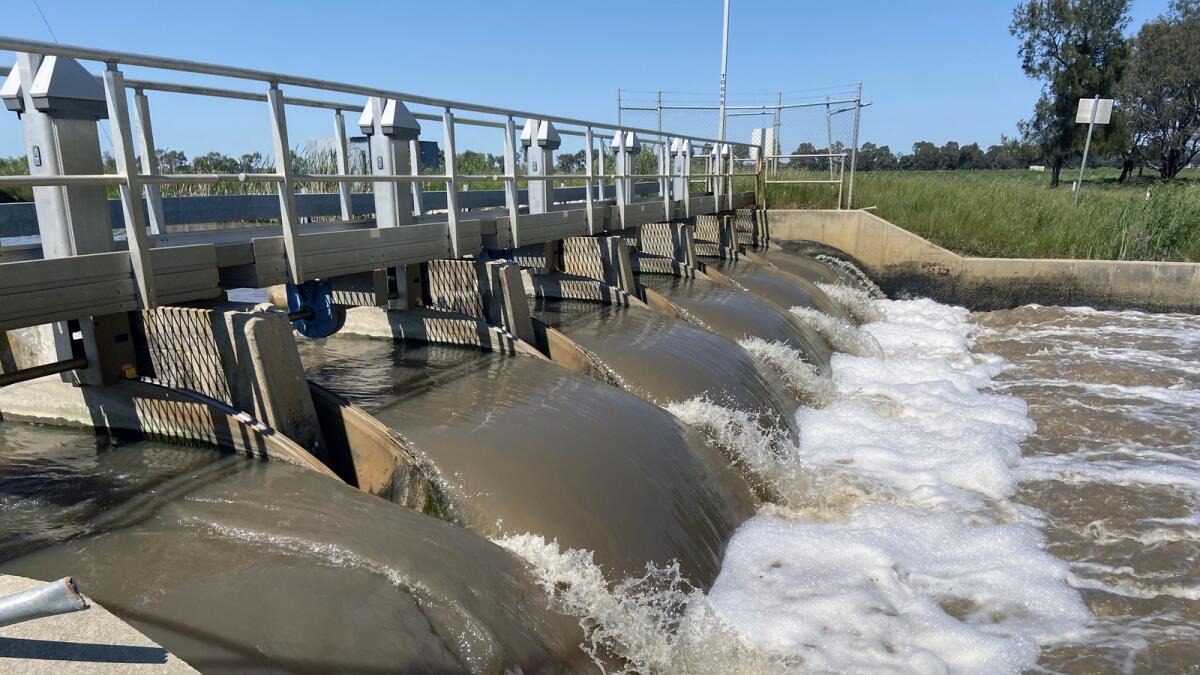
Water flowing through concrete weir gates with metal railings and wetland vegetation nearby

Guiding a Sensitive Ancestral Remains Discovery to a Culturally Led Outcome in Northern Victoria

Goulburn-Murray Water is the rural water corporation responsible for storing and delivering water across northern Victoria. Its network includes major storages, thousands of kilometres of channel and a large program of regulating structures, weirs and pipelines supporting irrigation, stock and domestic supply throughout the region.

In 2011 Goulburn-Murray Water engaged Australian Cultural Heritage Management to complete a Complex Cultural Heritage Management Plan for the replacement of the Box Creek Weir, a structure that was 100 years old. The Cultural Heritage Management Plan was approved and construction began. During very early works, human skeletal remains were exposed.

ACHM was engaged to manage the community and government consultation that followed. Discussions were held with Traditional Owners over a 12 month period so that the long term management of the Ancestral remains was determined by the people with cultural authority for that Country, not by a construction timetable. Alongside that process, ACHM and Traditional Owners undertook a comprehensive archaeological investigation and recording of the burial site. The burial was found to be undisturbed, and excavation was conducted so that it remained in situ. Freshwater mussel shell found in direct association with the Ancestral remains returned a radiocarbon date of 12,500 years, placing the burial within the age range of numerous other interments fringing Ghow (Kow) Swamp.

Traditional Owners resolved that the remains should not be disturbed. Goulburn-Murray Water and its construction partners redesigned the weir structure to avoid impact, allowing the replacement to proceed on a basis Traditional Owners, the regulator and the client could all stand behind.

Client

Goulburn-Murray Water (GMW)

Location

Ghow (Kow) Swamp, Victoria

Sectors

Public Sector
Infrastructure

Services

Results Delivered

Resolving a Sensitive Ancestral Remains Discovery Through Aboriginal Archaeological Assessment During a Water Infrastructure Replacement

When human skeletal remains were exposed during construction of the Box Creek Weir, Australian Cultural Heritage Management led twelve months of consultation with Traditional Owners and undertook the archaeological investigation that confirmed the burial’s age and integrity. Goulburn-Murray Water redesigned the weir structure in response, delivering critical water infrastructure while honouring the wishes of Traditional Owners in full.

Frequently Asked Questions

What happens if human remains are discovered during a Victorian infrastructure project?

If human remains are discovered, works must stop immediately in the area and the discovery reported to the Coroner and to First Peoples State Relations. Where the remains are Aboriginal, their management is then determined through consultation with Traditional Owners under the Aboriginal Heritage Act 2006. At the Box Creek Weir, Australian Cultural Heritage Management managed twelve months of consultation with Traditional Owners following the discovery of Ancestral remains, ensuring their wishes guided every subsequent decision.

In many cases, yes, once Traditional Owners have determined how the remains should be managed. At Box Creek Weir, an archaeological investigation confirmed the burial was undisturbed and, following extensive consultation, Traditional Owners resolved that it should not be disturbed. Goulburn-Murray Water redesigned the weir structure in response, allowing a critical piece of water infrastructure to be delivered while the burial remained protected in place. Learn more about our archaeological assessment services.

Aboriginal burials are typically dated using radiocarbon analysis of organic material found in direct association with the remains, such as shell or charcoal, rather than the remains themselves. At Box Creek Weir, freshwater mussel shell recovered alongside the Ancestral remains returned a radiocarbon date of 12,500 years, placing the burial within the age range of the wider Ghow (Kow) Swamp burial landscape. Australian Cultural Heritage Management undertakes this kind of specialist archaeological investigation as part of our excavation services.

An unexpected finds protocol sets out, in advance, the steps a project must follow if Aboriginal cultural heritage is discovered during construction, including cessation of works, notification and agreed consultation with Traditional Owners. Without one, a discovery like the Box Creek Weir burial can bring a project to a standstill with no clear pathway forward. Australian Cultural Heritage Management prepares unexpected finds protocols as part of every CHMP we deliver, and provided the on ground response that guided Goulburn-Murray Water through this discovery.

Traditional Owners hold the cultural authority to determine how Ancestral remains connected to their Country are managed, and their decision takes precedence over programme or design considerations. At Box Creek Weir, that meant twelve months of sustained consultation before a course of action was agreed, and a construction redesign once it was. Australian Cultural Heritage Management facilitated that process for Goulburn-Murray Water, ensuring Traditional Owner decision making was properly supported.

Apollo Bay Harbour Redevelopment

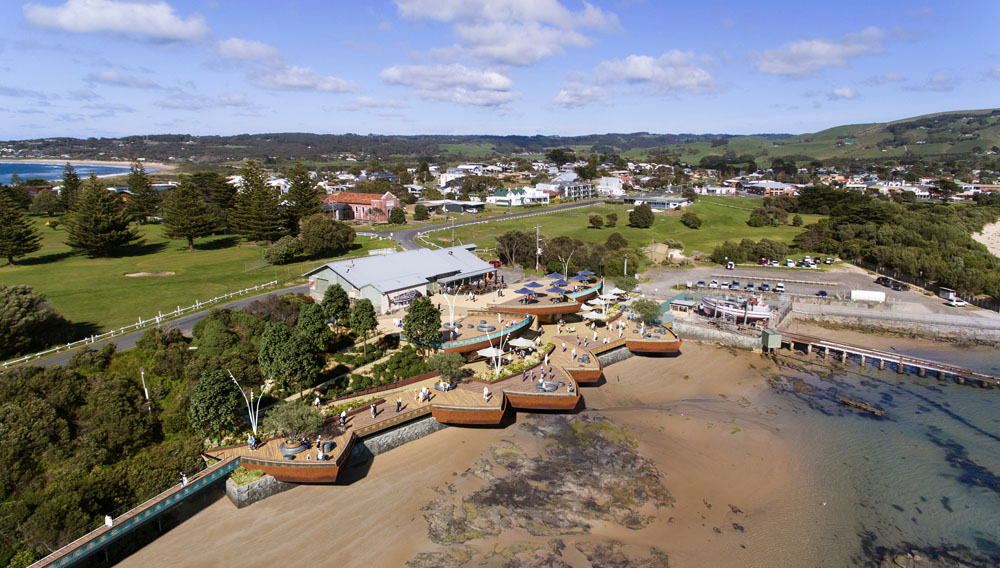
Delivering a Defensible Cultural Heritage Management Plan for a Great Ocean Road Foreshore Renewal

Colac Otway Shire is the local government authority for the Colac Otway region in south west Victoria, responsible for public land, community infrastructure and foreshore assets along one of the country’s most visited stretches of coastline.

The Apollo Bay harbour precinct sits at the heart of the township and carries significant cultural, environmental and economic value. Proposed foreshore redevelopment works required the Shire to establish, with certainty, what Aboriginal cultural heritage was present within the activity area and how it would be managed before any ground disturbance took place.

ACHM was engaged by Colac Otway Shire to undertake Complex Cultural Heritage Management Plan investigations for the proposed works, carried out in partnership with Eastern Maar Aboriginal Corporation as the Registered Aboriginal Party for Country. Our team combined archaeological assessment with structured Traditional Owner engagement so that cultural values were understood on their own terms rather than treated as a compliance formality.

The result was a Cultural Heritage Management Plan built on evidence and relationships, giving the Shire a defensible basis for approvals and a clear set of management conditions to carry into design and construction.

Client

Colac Otway Shire

Location

Apollo Bay, Victoria

Sectors

Public Sector
Urban Regional Development

Services

Anthropology & Archeology

Results Delivered

Delivering a Complex CHMP for a Landmark Great Ocean Road Foreshore Project

Working in close partnership with Eastern Maar Aboriginal Corporation, Australian Cultural Heritage Management undertook Complex Cultural Heritage Management Plan investigations for the proposed foreshore redevelopment works at Apollo Bay harbour, giving Colac Otway Shire a defensible basis for approvals ahead of construction. The outcome gave the Shire clear cultural heritage obligations and a working relationship with Traditional Owners to carry into design and delivery.

Frequently Asked Questions

Does a coastal foreshore redevelopment in Victoria require a Cultural Heritage Management Plan?

Yes, in most cases. Under the Aboriginal Heritage Act 2006, foreshore and coastal land is commonly mapped as an area of cultural heritage sensitivity, and works of this scale are classified as high impact activities, so an approved Cultural Heritage Management Plan is required before construction can begin. For the Apollo Bay Harbour Redevelopment, a Complex CHMP was required due to the presence of Eastern Maar cultural heritage values within the foreshore precinct. Australian Cultural Heritage Management delivered the Complex CHMP investigations for Colac Otway Shire, working in partnership with Eastern Maar Aboriginal Corporation to secure a defensible basis for approval. Learn more about our CHMP services.

A Complex CHMP assessment combines desktop review, standard field survey and, where warranted, subsurface testing to determine the nature, extent and significance of any Aboriginal cultural heritage within the activity area. It is the most thorough level of assessment under Victoria’s Aboriginal Heritage Act 2006 and is required wherever a high impact activity coincides with an area of cultural heritage sensitivity. At Apollo Bay, Australian Cultural Heritage Management undertook this level of assessment for the harbour precinct, giving Colac Otway Shire clear management conditions to carry into design.

Traditional Owner consultation is both a legislative requirement and the foundation of a defensible Cultural Heritage Management Plan. Registered Aboriginal Parties bring cultural knowledge that cannot be recovered through desktop research or survey alone, and their evaluation is what ultimately determines whether a CHMP is approved. For the Apollo Bay Harbour Redevelopment, Australian Cultural Heritage Management worked closely with Eastern Maar Aboriginal Corporation throughout the assessment process, building a relationship the Shire could rely on beyond this single project.

Local councils can manage cultural heritage risk by commissioning a due diligence assessment at the earliest planning stage, well before design is finalised, so that any CHMP obligations are understood and programmed for rather than discovered mid project. Foreshore and waterway margins are frequently mapped as culturally sensitive, which makes early engagement particularly important for coastal councils. Australian Cultural Heritage Management regularly supports local government proponents with heritage due diligence and CHMP delivery across Victoria.

Kilmore Sewer Project

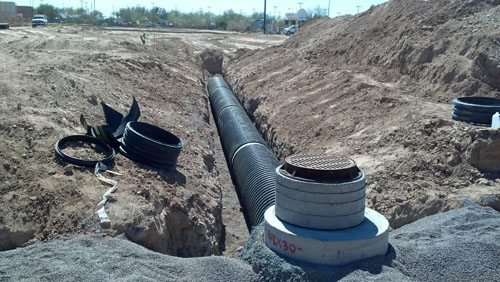
Construction trench with sewer pipeline and manhole for ACHM cultural heritage project assessment context

ACHM prepared and delivered the Approved Cultural Heritage Management Plan and the salvage works for the Kilmore Sewer Project for Goulburn Valley Water, supporting the construction of a new sewer outfall through an archaeologically sensitive corridor along Kilmore Creek.

The project involved extensive consultation with Taungurung Land and Waters Council and detailed field investigations to identify, manage and protect Aboriginal cultural heritage.

ACHM’s work enabled the project to proceed in accordance with legislative requirements while responsibly managing heritage values within a highly constrained urban and creek‑side environment.

Kilmore Creek Masterplan

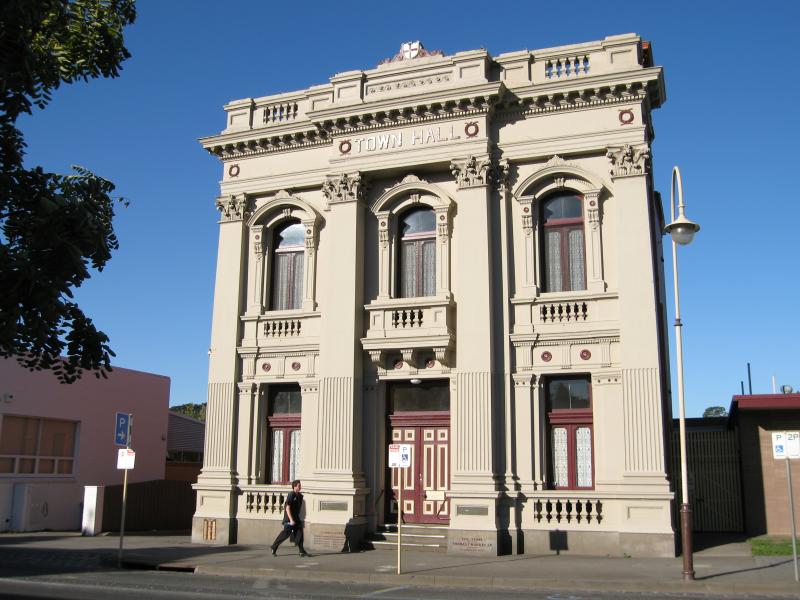
Historic Town Hall building with ornate façade, arched windows and clear blue sky

ACHM provided strategic cultural heritage input to the Kilmore masterplanning process for Mitchell Shire Council, supporting early‑stage planning in a historically and culturally layered regional township. Our role focused on identifying heritage considerations at a precinct scale and embedding those insights into the masterplan framework before detailed design and approvals commenced.
 
By addressing cultural heritage early, ACHM helped inform land‑use decisions, reduce downstream approval risk, and support a coordinated, long‑term planning outcome for Kilmore’s future growth.

Rail Infrastructure

ACHM is a trusted cultural heritage partner across Australia’s public and private rail networks. We support government agencies, rail operators, major contractors and Traditional Owner groups to deliver safe, compliant and culturally respectful rail infrastructure projects.

Our experience covers the full project lifecycle—from early planning and CHMP preparation to salvage excavations, stakeholder engagement, on‑Country consultation and ongoing advisory. We ensure that essential transport upgrades progress efficiently while meeting the highest standards of cultural heritage protection.

Across major corridor duplications, station redevelopments, stabling and maintenance facilities, level‑crossing removals and regional line upgrades, ACHM brings deep technical capability, strong regulatory expertise and enduring relationships with Traditional Owners nationwide.

Warrnambool Line Upgrade – Cultural Heritage Management
 
ACHM played a central role in the Cultural Heritage Management Plan (CHMP) for the Warrnambool Line Upgrade, including amendments and ongoing advisory services. Our work involved:
  • Direct engagement with Traditional Owners
  • Resolving CHMP queries and clarifying assessment outcomes
  • Updating advice as rail design progressed
  • Coordinating with the construction partner to ensure all works aligned with cultural heritage obligations and legislation

We also delivered broader support, including the review of previous CHMPs, salvage requirement assessments and project liaison to maintain compliance and streamline the approvals pathway.

Level Crossing Removal Project (LXRP)

ACHM  completed CHMPs, due diligence assessments, salvage programs, spatial data tasks and heritage compliance services across numerous LXRP packages.

Growth Area Stations Program

ACHM prepared CHMPs, duel diligence assessments, salvage programs and heritage compliance services for the Victorian Government’s Growth Area Stations initiative, including new or expanded stations or infrastructure at:

  • Caroline Springs
  • Eltham
  • Frankston
  • Merlynston
  • Pakenham
  • Ravenhall
  • Riddells Creek 
  • Tarneit
  • Watergardens
  • Wattle Glen
  • Williams Landing
  • Wyndham Vale
  • Yarraman

Our involvement supported the investigative stage through to approval‑ready submissions for multiple rapidly growing urban centres.

Stabling Yards, Rail Sidings & Precinct Enhancements

Across metropolitan and regional networks, ACHM provides cultural heritage expertise for:

  • Depot expansions
  • Stabling yards
  • Rail sidings
  • Broader precinct upgrades

Our work includes due diligence, CHMPs, salvage programs and risk identification, all tailored to align with demanding rail construction schedules.

Pilbara Heavy‑Haul Rail Projects

Mulga Downs Rail & Hub

ACHM is delivering end‑to‑end cultural heritage services for the Mulga Downs Iron Ore Project, including the proposed rail spur and hub for Hancock Prospecting and Roy Hill. Our work includes:

  • Ethnobiological and ethnographic studies
  • Extensive archaeological surveys
  • Heritage governance and stakeholder engagement
  • Avoidance recommendations and site recording

We ensure Banjima Traditional Owner values guide planning and construction while providing the assurance needed for safe and compliant delivery.

Fortescue Solomon Rail

Over 100 km of archaeological and ethnographic assessments supporting greenfields rail development and Solomon Mine operations.

Rio Tinto Gudai‑Darri Rail

Over 80 km of archaeological and ethnographic assessments for the Gudai‑Darri Mine rail corridor.

Rio Tinto Hope Downs Rail

Over 100 km of archaeological and ethnographic surveys supporting the Hope Downs rail corridor.

West Pilbara Iron Ore Project Rail Corridor

Heritage site verification across 180 km of proposed heavy‑haul rail infrastructure, supporting early feasibility and planning.

Rail Capability at a Glance

  • End‑to‑end heritage services, surveys, assessments and CHMPs from early due diligence to complex investigations and salvage.
  • Specialist Traditional Owner engagement ensuring transparent, respectful and legislatively compliant consultation.
  • GIS, spatial analysis and predictive modelling to identify corridor‑wide risks and inform route selection.
  • Rapid‑response advisory for contractors managing emergent heritage issues.
  • Compliance excellence supported by ISO‑certified quality, safety and environmental systems.
  • Seamless integration with project delivery, including alignment with rail construction sequencing and safety protocols.