
Archaeological Site Monitoring
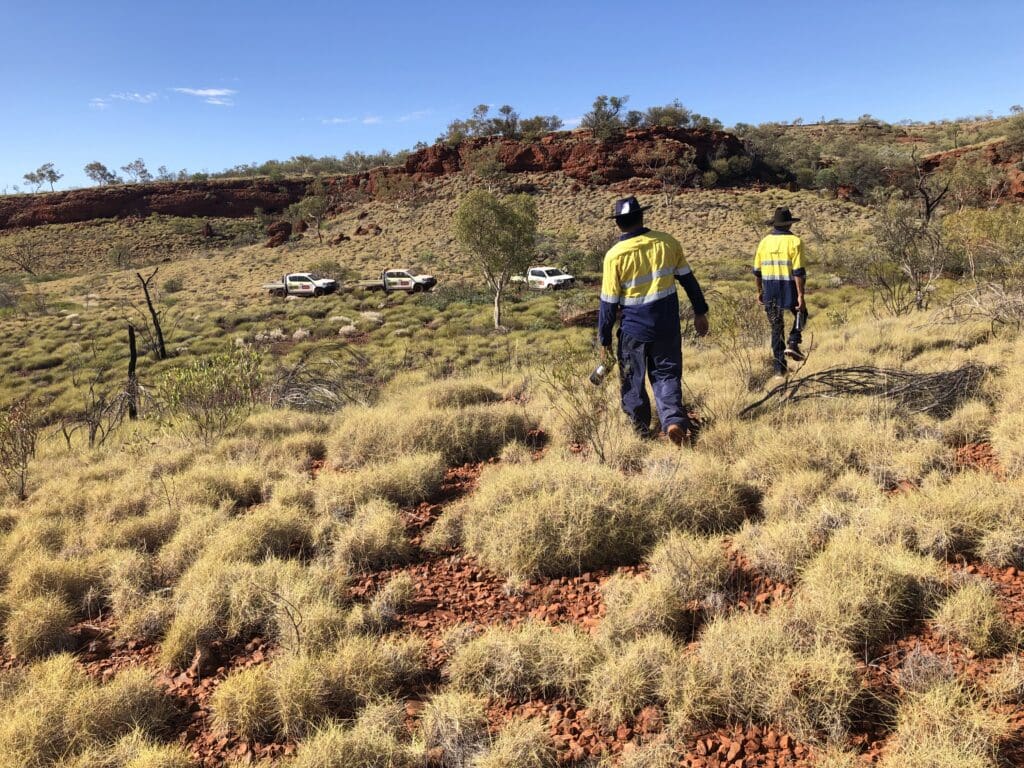
Expert Archaeological Monitoring for Smooth Construction
Archaeological monitoring is implemented where ground disturbance is approved to proceed, but there remains a residual risk that previously unrecorded archaeological material may be encountered during construction. Monitoring provides a controlled mechanism to manage that risk while maintaining progress on site.
Monitoring is typically required as a condition of approval and is undertaken in collaboration with Traditional Owners. Archaeologists attend defined stages of ground disturbance to assess exposed deposits in real time and determine whether material encountered requires protection, further investigation, or can be cleared for works to continue.
The primary function of archaeological monitoring is risk management. By resolving uncertainty at the point of impact, monitoring reduces the likelihood of unplanned stoppages, limits escalation, and ensures decisions are made quickly, consistently, and in compliance with statutory and cultural heritage obligations.
ACHM archaeologists are experienced in active construction environments and operate with a clear understanding of safety, stakeholder, program and cost constraints. Our approach is proportionate and responsive, enabling construction to proceed efficiently while ensuring heritage responsibilities are met and approval conditions are satisfied.

Why Choose ACHM
Experienced Team
Our anthropologists and archaeologists bring decades of skill and expertise to every project.
Nationwide Reach
From urban developments to remote communities, we operate across Australia.
Reputation of Excellence
Trusted by clients for our professionalism, accuracy, and commitment to cultural preservation.
Case Studies
Testimonials
Mandy Edwards
Sector Manager | Millar Merrigan
ACHM has consistently provided us with expert advice on Aboriginal cultural heritage matters, including the preparation of Cultural Heritage Management Plans. They’re great to work with—professional, competitively priced, and reliable in meeting timeframes. Their practical approach and responsiveness make them a valued partner on our projects.
Ed Armstrong
Chief Executive Officer | Banjima Native Title Aboriginal Corporation
ACHM are engaged extensively across Banjima Country and they provide exceptional expertise, professionalism, customer service and a genuine passion for preserving and promoting cultural heritage. ACHM goes beyond mere consultancy through consistently delivering professional services, solutions and best practice in every thing they do.
Jordan Bell
Senior Development Manager | Dav Consulting
We recently engaged ACHM to manage extensive Cultural Heritage Artefact Salvage Operations for an expansive and complex greenfields development site on north side of Melbourne. The diligence, open communication, efficiency and positive outcomes achieved by the ACHM Team, including in their coordination and management of the local RAP, was first class, and made my job as Development Manager substantially easier. Cannot recommend highly enough
Chris Monahan
Senior Development Manager | Avid
I have been a client of ACHM for over a decade and have engaged their services across four large-scale projects. Throughout this time, their dedication and professionalism have remained consistently impressive. ACHM excels at managing client expectations while operating sensitively within complex environments. They are highly skilled at guiding clients through cultural heritage approval processes, striking the delicate balance between client priorities and cultural sensitivities. I highly recommend ACHM for their expertise and commitment.
Fionna Warren and Chanz Crowley
ABIGroup
We wish to thank yourself, Erica Walther and Shaun Canning who have at all times been professional, free to discuss potential options and provide feedback on the status of the Cultural Heritage Management Plans. We have found the ACHM team to be knowledgeable and very easy to deal with.
Dylan McWhinney
Environmental Coordinator, GMW Connections Project
ACHM have provided us with numerous due diligence assessments and Cultural Heritage Management Plans to both standard and complex level. They approach their scope with our project timeframes and budgets in mind, and I know I can rely on them to get the best outcome for these projects. ACHM provide pragmatic staff with great traditional owner relationships allowing for quick turnaround times.
Mandy Edwards
Sector Manager | Millar Merrigan
ACHM has consistently provided us with expert advice on Aboriginal cultural heritage matters, including the preparation of Cultural Heritage Management Plans. They’re great to work with—professional, competitively priced, and reliable in meeting timeframes. Their practical approach and responsiveness make them a valued partner on our projects.
Ed Armstrong
Chief Executive Officer | Banjima Native Title Aboriginal Corporation
ACHM are engaged extensively across Banjima Country and they provide exceptional expertise, professionalism, customer service and a genuine passion for preserving and promoting cultural heritage. ACHM goes beyond mere consultancy through consistently delivering professional services, solutions and best practice in every thing they do.
Jordan Bell
Senior Development Manager | Dav Consulting
We recently engaged ACHM to manage extensive Cultural Heritage Artefact Salvage Operations for an expansive and complex greenfields development site on north side of Melbourne. The diligence, open communication, efficiency and positive outcomes achieved by the ACHM Team, including in their coordination and management of the local RAP, was first class, and made my job as Development Manager substantially easier. Cannot recommend highly enough
Chris Monahan
Senior Development Manager | Avid
I have been a client of ACHM for over a decade and have engaged their services across four large-scale projects. Throughout this time, their dedication and professionalism have remained consistently impressive. ACHM excels at managing client expectations while operating sensitively within complex environments. They are highly skilled at guiding clients through cultural heritage approval processes, striking the delicate balance between client priorities and cultural sensitivities. I highly recommend ACHM for their expertise and commitment.
Fionna Warren and Chanz Crowley
ABIGroup
We wish to thank yourself, Erica Walther and Shaun Canning who have at all times been professional, free to discuss potential options and provide feedback on the status of the Cultural Heritage Management Plans. We have found the ACHM team to be knowledgeable and very easy to deal with.
Dylan McWhinney
Environmental Coordinator, GMW Connections Project
ACHM have provided us with numerous due diligence assessments and Cultural Heritage Management Plans to both standard and complex level. They approach their scope with our project timeframes and budgets in mind, and I know I can rely on them to get the best outcome for these projects. ACHM provide pragmatic staff with great traditional owner relationships allowing for quick turnaround times.
Frequently Asked Questions
What is archaeological site monitoring?
Archaeological site monitoring is the attendance of a qualified archaeologist at defined stages of ground disturbance during construction. It provides a controlled mechanism to manage residual heritage risk after approvals have been granted, enabling construction to proceed efficiently while ensuring compliance with statutory obligations and approval conditions.
When is archaeological monitoring required on a construction project?
Archaeological monitoring is typically required as a condition of approval where ground disturbance has been approved to proceed but a residual risk remains that previously unrecorded Aboriginal or historical archaeological material may be encountered. It is commonly specified in heritage permits, and approval conditions issued by state heritage regulators across Australia.
What does an archaeological monitor do on a construction site?
An archaeological monitor attends ground disturbance activities, observes exposed material in real time, and determines whether any areas require protection, further investigation or can be cleared for works to continue. They document any material encountered, liaise with Traditional Owners where required, and communicate decisions promptly to minimise disruption to the construction program.
What happens if unexpected heritage material is found during construction?
When previously unrecorded heritage material is encountered during ground disturbance, works in the immediate area are usually halted and the material is assessed by the attending archaeologist. Depending on the nature and significance of the find, the material may be documented and cleared, subject to further investigation, or require notification to the relevant state heritage authority and Traditional Owners or seek further approvals before works can resume.
How does archaeological monitoring help keep a construction project on schedule?
A skilled monitor with deep construction experience and established Traditional Owner relationships can resolve heritage questions quickly and consistently. This reduces the risk of unplanned stoppages, helps manage escalation to formal regulatory processes, and enables the construction team to maintain program momentum. Australian Cultural Heritage Management’s archaeologists operate with a clear understanding of safety, program and cost constraints.
What is the difference between archaeological monitoring and archaeological excavation?
Archaeological monitoring is a real-time observation role carried out during active construction to detect and manage heritage material as ground disturbance proceeds. Archaeological excavation is a planned, methodical investigation of a specific area or deposit, typically undertaken before construction commences or following a significant discovery during monitoring. Both services are delivered by Australian Cultural Heritage Management.
Does archaeological monitoring involve Traditional Owners?
Archaeological monitoring is usually undertaken in collaboration with Traditional Owners, who may attend a site alongside the archaeologist. Australian Cultural Heritage Management has established Traditional Owner relationships that support rapid mobilisation and respectful engagement on active construction sites.
What types of projects typically require archaeological site monitoring in Australia?
Archaeological site monitoring is commonly required on road and rail infrastructure, urban development and subdivision, pipeline and transmission line construction, mining and resources projects, and renewable energy installations. Any project involving ground disturbance in areas of known or potential Aboriginal or historical archaeological sensitivity may be subject to a monitoring requirement as a condition of approval.
Can archaeological monitoring be conducted in remote areas of Australia?
Australian Cultural Heritage Management is equipped for remote area monitoring across the Pilbara, Kimberley, Cape York and Western Desert. Our field teams operate with a fleet of 4×4 vehicles and specialist equipment, and our established relationships with Traditional Owner groups in remote communities enable rapid mobilisation and effective heritage management in the most challenging project environments.
What qualifications does an archaeological monitor need in Australia?
Archaeological monitors must be qualified archaeologists with demonstrated experience in cultural heritage assessment, site identification, and active construction environments. In some jurisdictions they must also hold specialist credentials such as Heritage Advisor registration in Victoria. Australian Cultural Heritage Management’s monitors hold relevant qualifications, professional memberships, and ISO 9001, 14001 and 45001 certifications, ensuring consistent quality and defensible outcomes on every project.
What reporting is produced after archaeological monitoring is completed?
Following the completion of monitoring works, a monitoring report is produced documenting all areas observed, any material encountered, the decisions made in relation to those finds, and any recommendations for ongoing management. Where significant material was identified or disturbed, the report will also address reporting requirements to the relevant state heritage authority and confirm that all CHMP and approval conditions have been satisfied.
Need Expert Cultural Heritage Support for Your Project?
ACHM is here to help. Call us today on 1300 724 913 or email us for more information.