Ballarat West Employment Zone (BWEZ)

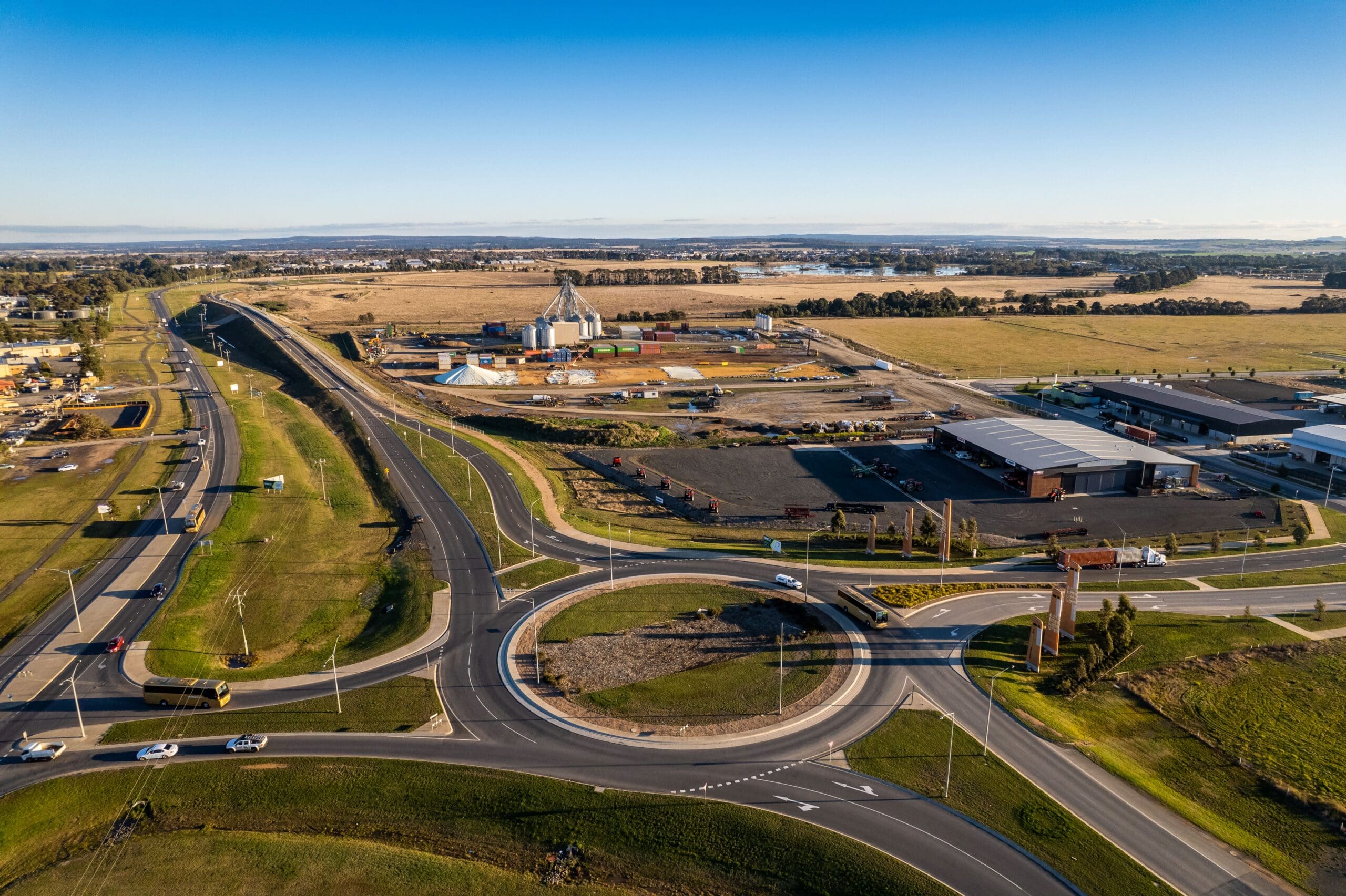
Drone aerial view of Ballarat West Employment Zone roundabout with roads, industrial buildings and farmland

Helping Deliver One of Regional Victoria's Largest Employment Precincts Through Cultural Heritage Expertise

Development Victoria is the Victorian State Government’s central agency responsible for property development, urban renewal, and delivering major civic projects. Established in 2017, it partners with industry to transform public land and buildings into residential, commercial, and community spaces that improve liveability and economic growth.

The Ballarat West Employment Zone (BWEZ) is one of Victoria’s most significant urban development projects, a 438-hectare industrial and logistics precinct on Wadawurrung Country set to become a major hub for manufacturing, freight, construction and commercial activity in regional Victoria.

Australian Cultural Heritage Management (ACHM) has provided cultural heritage guidance and approvals support across multiple stages of the precinct, working in close partnership with Development Victoria, the City of Ballarat and the Wadawurrung Traditional Owners Aboriginal Corporation. Our scope has included archaeological survey, excavation, due diligence assessments, approved Cultural Heritage Management Plans (CHMP), archaeological salvage and ongoing stakeholder management.

In a project area that is dynamic, rapidly developing and subject to continuous change, our team has ensured that every stage of planning and construction proceeds in full compliance with Victorian heritage legislation, with Wadawurrung cultural values appropriately identified, respected and protected throughout.

Client

Development Victoria

Location

Ballarat, Victoria

Sectors

Urban and Regional Development

Services

Results Delivered

Supporting the Delivery of One of Regional Victoria's Largest Employment Precincts Through Expert Cultural Heritage Management

In a project area that evolved rapidly across multiple construction stages, Australian Cultural Heritage Management was integral in delivering archaeological survey, excavation, Approved CHMPs, due diligence assessments, archaeological salvage and ongoing stakeholder engagement, keeping Development Victoria compliant and construction on schedule through various phases of the Ballarat West Employment Zone. Our structured, stage-by-stage approvals approach ensured that no construction activity was delayed by unresolved heritage obligations.

Frequently Asked Questions

Does a large-scale industrial development like the Ballarat West Employment Zone require a Cultural Heritage Management Plan?

Yes. Under the Aboriginal Heritage Act 2006, any high-impact activity in an area of cultural heritage sensitivity in Victoria requires an approved Cultural Heritage Management Plan (CHMP) before planning permits or work authorities can be issued. For a development the scale of the Ballarat West Employment Zone, spanning 438 hectares on Wadawurrung Country, a multi-stage CHMP process is required to assess, document and manage any Aboriginal cultural heritage present. Australian Cultural Heritage Management has delivered this approvals support across multiple stages of the BWEZ precinct. Learn more about our CHMP services.

A heritage due diligence assessment for an urban development project involves a desktop review of existing heritage records, a site inspection to identify any cultural heritage constraints, and an assessment of the risk those constraints present to the proposed activity. For projects like the Ballarat West Employment Zone, where ground disturbance is extensive and staged over time, due diligence at the early planning and feasibility phase allows the proponent to understand heritage obligations before committing to design or construction. Australian Cultural Heritage Management regularly conducts heritage due diligence assessments for urban and infrastructure proponents across Victoria and nationally. Find out more about our due diligence services.

Yes, in many cases. On large, staged developments like the Ballarat West Employment Zone, separate CHMPs can be prepared and approved for individual stages, allowing construction to commence on approved areas while assessment continues elsewhere. This staged approvals approach requires careful programme management to ensure each CHMP is assessed and approved before ground disturbance in that stage begins. Australian Cultural Heritage Management manages this process for proponents, ensuring each stage is approved on time and on budget without creating delays for construction teams.

If Aboriginal cultural heritage is discovered during construction, all work in the immediate area must stop and the Registered Aboriginal Party and relevant authorities must be notified. The CHMP for the project should include an unexpected finds protocol that outlines the steps required — including cessation of works, notification, assessment of the find, and agreement on appropriate management before works can recommence. Australian Cultural Heritage Management prepares unexpected finds protocols as part of all our CHMP deliverables and can provide rapid on-ground response to manage unexpected discoveries across any project type.

The timeframe to obtain an approved CHMP in Victoria varies depending on the scale and complexity of the assessment required. A simple desktop CHMP may be completed in weeks, while a complex multi-stage CHMP involving extensive archaeological survey and excavation can take 12 months or more. Engaging an experienced heritage consultant early, ideally at the feasibility or pre-planning stage, is the most effective way to avoid heritage-related delays. Australian Cultural Heritage Management has produced over 150 approved CHMPs in Victoria and can provide realistic programme advice from the outset.

Kilmore Sewer Project

Construction trench with sewer pipeline and manhole for ACHM cultural heritage project assessment context

ACHM prepared and delivered the Approved Cultural Heritage Management Plan and the salvage works for the Kilmore Sewer Project for Goulburn Valley Water, supporting the construction of a new sewer outfall through an archaeologically sensitive corridor along Kilmore Creek.

The project involved extensive consultation with Taungurung Land and Waters Council and detailed field investigations to identify, manage and protect Aboriginal cultural heritage.

ACHM’s work enabled the project to proceed in accordance with legislative requirements while responsibly managing heritage values within a highly constrained urban and creek‑side environment.

Kilmore Creek Masterplan

Historic Town Hall building with ornate façade, arched windows and clear blue sky

ACHM provided strategic cultural heritage input to the Kilmore masterplanning process for Mitchell Shire Council, supporting early‑stage planning in a historically and culturally layered regional township. Our role focused on identifying heritage considerations at a precinct scale and embedding those insights into the masterplan framework before detailed design and approvals commenced.
 
By addressing cultural heritage early, ACHM helped inform land‑use decisions, reduce downstream approval risk, and support a coordinated, long‑term planning outcome for Kilmore’s future growth.

Melton City Council

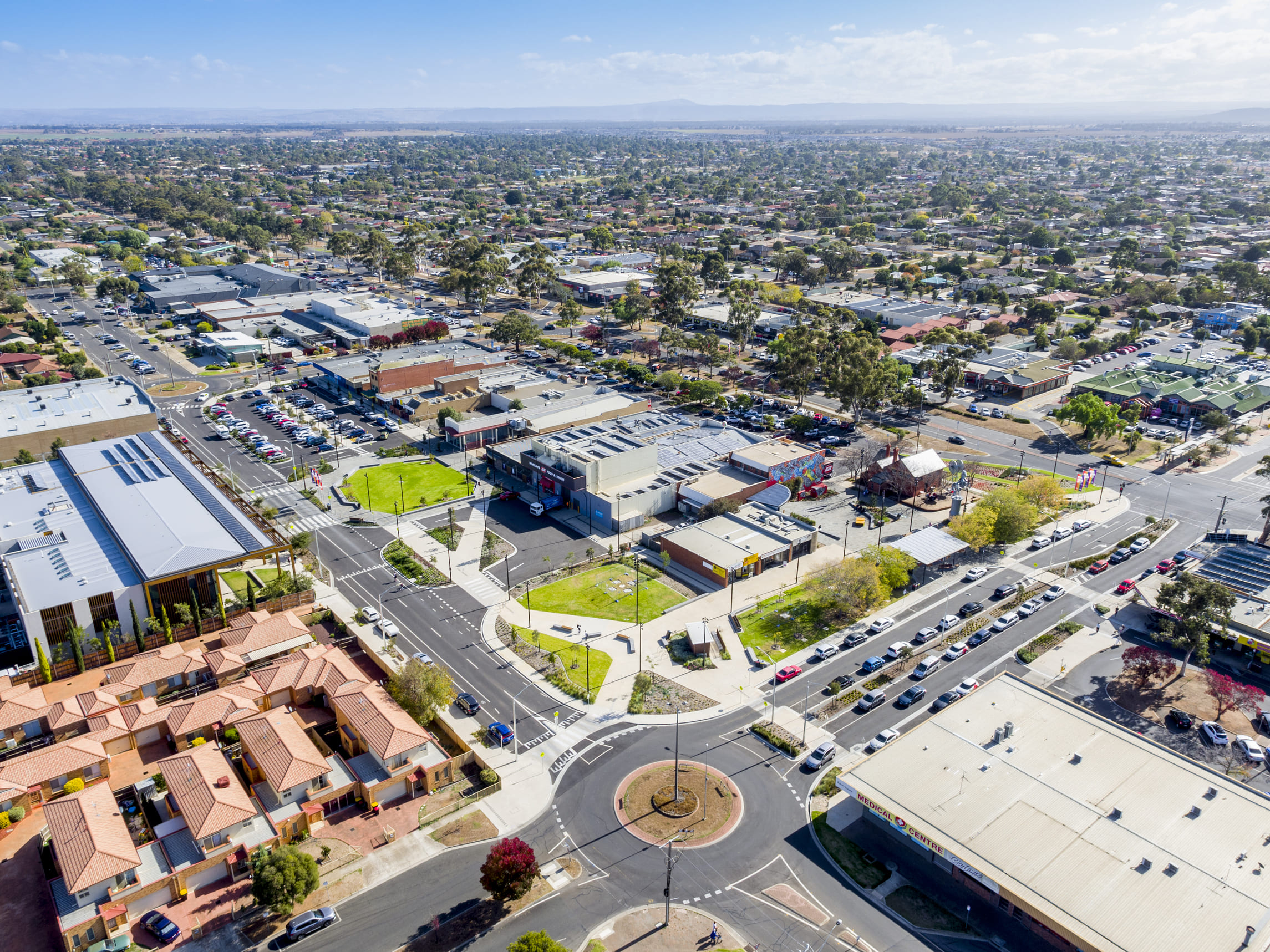
Aerial view of Melton Town Centre with streets, shops, car parks and landscaped public spaces

ACHM supports Melton City Council across multiple infrastructure programs, including road and transport upgrades such as the works associated with the Melton Highway corridor. Our role includes delivering Cultural Heritage Management Plans and due diligence assessments for council‑led upgrade projects in the region—ensuring cultural values are identified early, constraints are clearly mapped, and road design progresses with full statutory compliance.
 
Recent work with Melton City Council—including CHMPs for Middle Road Upgrade and associated shared‑path, recreation‑reserve and road‑upgrade projects—demonstrates ACHM’s capability in providing responsive, technically robust heritage advice that supports efficient program delivery in one of Victoria’s fastest‑growing municipalities.

Apollo Bay Harbour Redevelopment

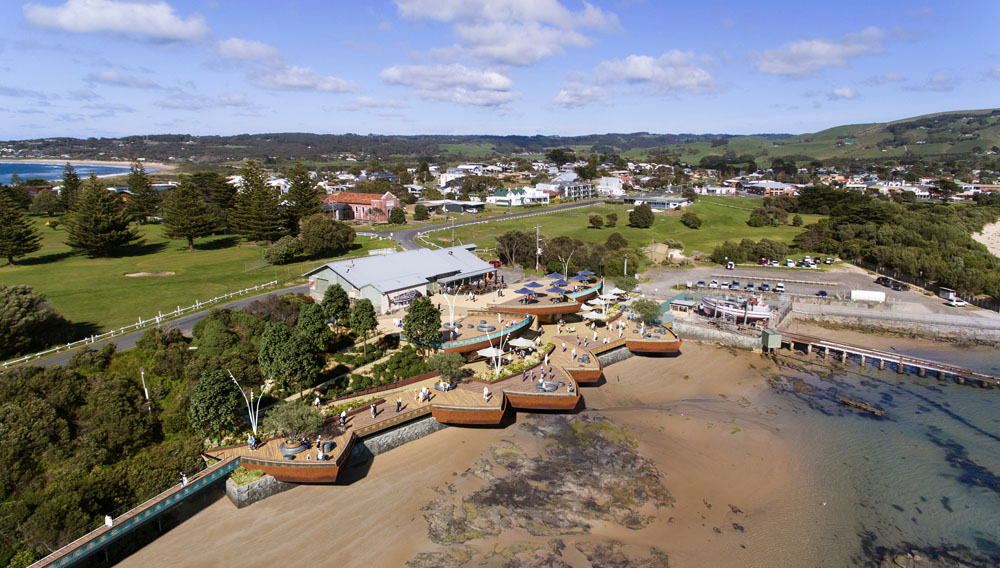
ACHM were engaged by Colac Otway Shire to undertake Complex CHMP investigations of proposed foreshore redevelopment works at Apollo Bay harbour with Eastern Maar Aboriginal Corporation.

Stonehill Bacchus Marsh

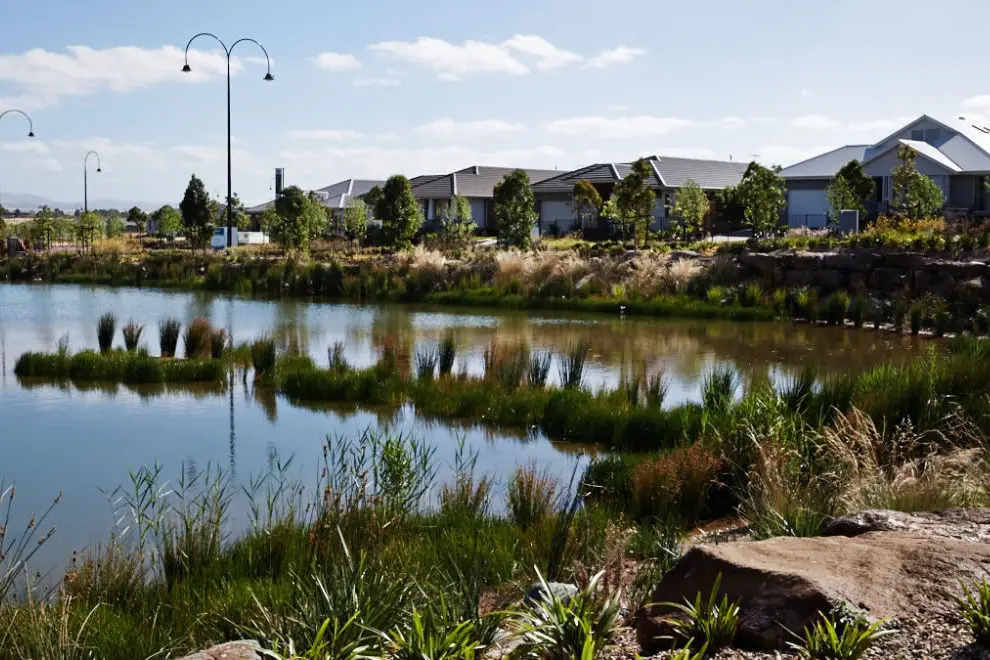
ACHM have delivered the full cultural heritage management workflow for the 1,400-lot Stonehill residential development in Bacchus Marsh, Victoria, completing the Cultural Heritage Management Plan and all subsequent salvage and artefact analysis requirements.

Our team undertook the CHMP assessments, coordinated salvage works, and later finalised the detailed post‑excavation program, including artefact analysis of approximately 50,000 stone artefacts.

North East Link Project

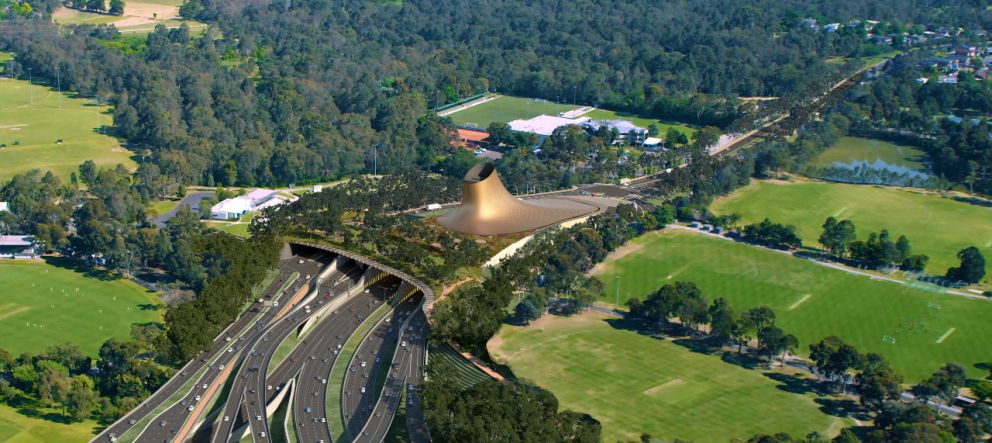
ACHM played a key role in the early works phase of Melbourne’s largest road project, the North East Link, working in partnership with CPB Contractors to deliver specialist cultural heritage services across the project’s complex urban footprint.

Between 2020 and 2021, ACHM was engaged to manage the archaeological compliance requirements essential to preparing the corridor for major construction. This included large‑scale archaeological salvage programs, detailed historic building assessments, and ongoing due diligence advice across a rolling program of early works activities.

The North East Link is being delivered by CPB Contractors as part of the Spark consortium, providing the primary package of three‑lane twin tunnels that will finally connect Melbourne’s freeway network. ACHM’s work ensured that heritage obligations were fully met during this critical preparatory phase, supporting CPB Contractors in navigating statutory requirements while enabling the project to proceed efficiently and responsibly.

By combining archaeological expertise with practical on‑site support, ACHM helped protect significant cultural and historical values while contributing to one of Victoria’s most important infrastructure initiatives.

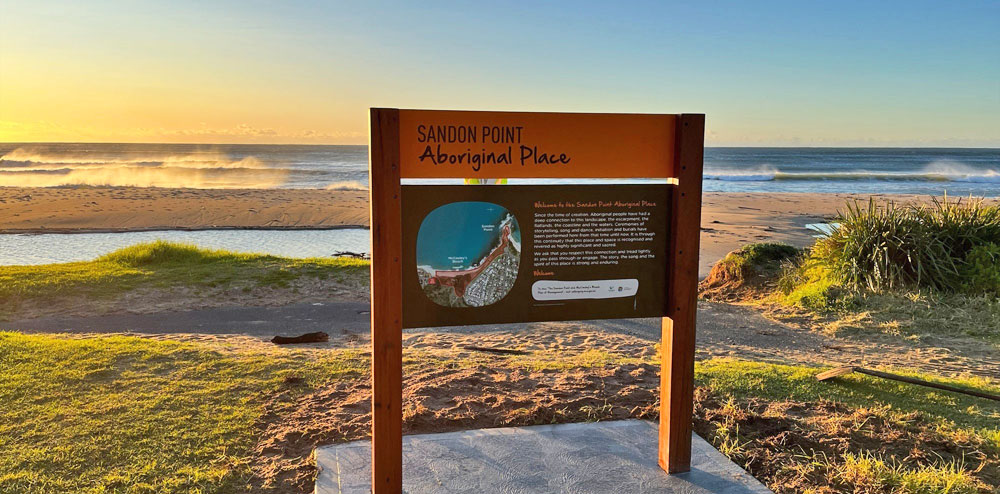
Sandon Point

ACHM were briefed by Norton Rose on behalf of Anglican Retirement Villages to produce an expert report for a matter before the NSW Land and Environment Court. The matter concerned the nature and extent of a particular Aboriginal place within an area of land and the impact on development consent.

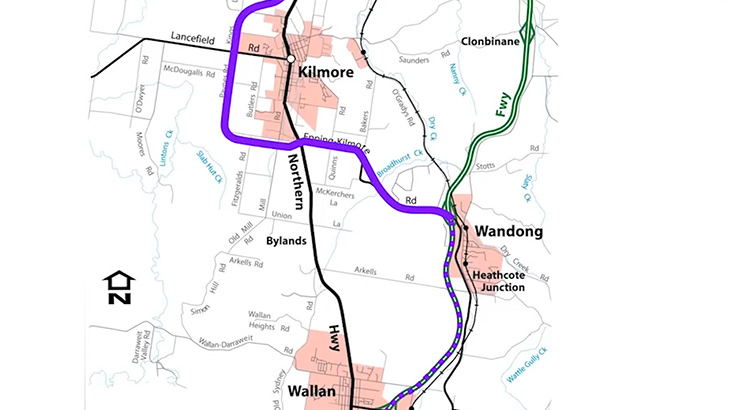
VicRoads Wallan-Kilmore Bypass

Route map of VicRoads Wallan-Kilmore Bypass showing the proposed alignment around Kilmore and Wallan
ACHM supported planning for the Wallan–Kilmore Bypass through the provision of specialist cultural heritage advice, drawing on our extensive experience in archaeological and ethnographic assessment across major infrastructure projects.
 
Our involvement focused on identifying and managing Aboriginal cultural heritage places within the proposed alignment, ensuring that early‑stage design and environmental approvals processes properly accounted for cultural values, site protection requirements, and legislative obligations under Victorian heritage law.
 
By applying the same rigorous methodologies we use across Australia—including systematic field survey, cultural values assessment, and clear, defensible reporting—ACHM helped ensure that decision‑makers had an accurate understanding of the cultural landscape, enabling a bypass design that balanced infrastructure needs with responsible protection of Aboriginal cultural heritage.

Broken Head Quarry

Aerial view of Byron Bay coastline with Cape Byron Lighthouse, blue ocean and sandy beach
ACHM provided expert cultural heritage advice for the Broken Head Quarry project near Byron Bay, where Dr Shaun Canning appeared as an expert witness in the NSW Land and Environment Court to support the proposed rezoning of the quarry site.
 
Drawing on ACHM’s specialist archaeological and anthropological expertise, our involvement ensured the Court had a robust and evidence‑based understanding of the area’s cultural and heritage values.
 
This work demonstrated our capability in complex regulatory environments, where rigorous heritage assessments and clear expert testimony are essential to achieving balanced outcomes that respect cultural heritage while enabling responsible land use.