
Supporting Infrastructure Developments Throughout Australia
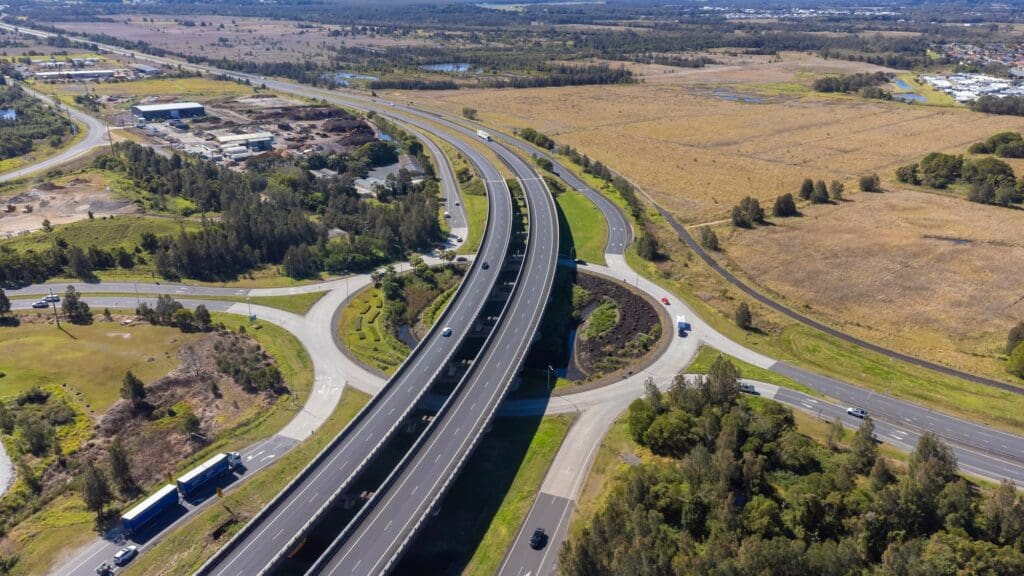
Infrastructure is the cornerstone of Australian growth and development, providing critical access to water and energy and connecting communities with roads and rail. However, development works for the infrastructure needed to deliver crucial utility and transport services require thorough assessments and risk management to manage cultural and environmental sensitivities.
Many of Australia’s landscapes hold deep historical significance for Traditional Owners and local communities. It is essential to balance these cultural values with strict heritage, environmental, and planning requirements when undertaking infrastructure works such as building roads, railway development, or electrical line installations on these lands.
Managing all of these factors without the right expertise in cultural heritage management can be challenging, opening projects up to potential delays, budget issues and reputational damage. This is where ACHM can assist.
Our Role in the Infrastructure Sector
At ACHM, we specialise in cultural heritage management, supporting our clients to navigate the complexities of infrastructure development while managing cultural heritage responsibilities. Our experienced heritage consultants work closely with project teams to ensure that infrastructure complies with all relevant heritage legislation, while fostering meaningful connections with Traditional Owners and communities to facilitate a smooth progression through every stage of assessments and approvals.
We understand that each infrastructure development has unique environmental, social and cultural aspects. Our consultants provide end-to-end support, from early planning through to final construction, to deliver tailored, compliant, and practical heritage management solutions.
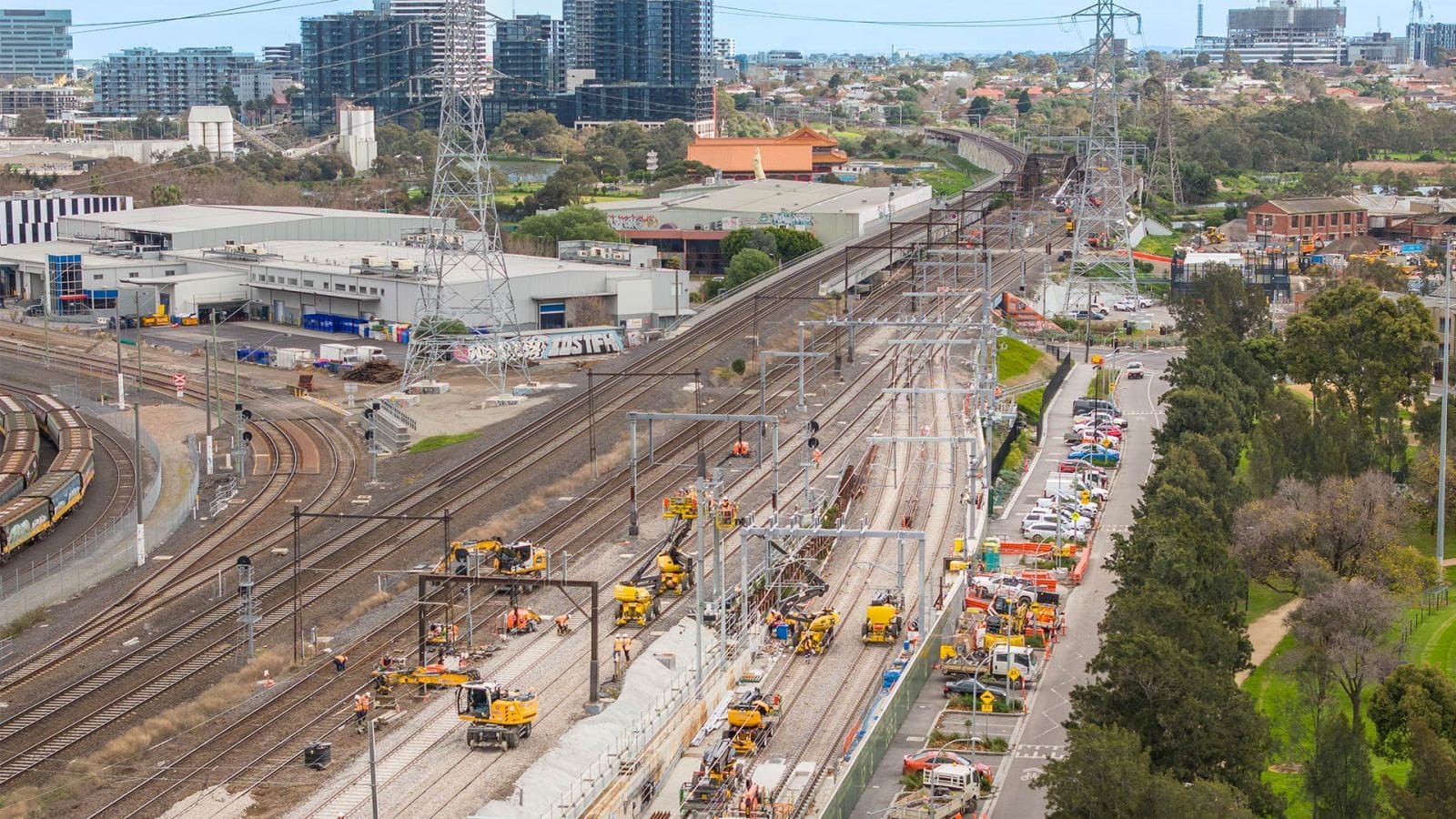
For over 25 years, ACHM has successfully supported major infrastructure projects throughout Australia, including railway lines, road developments, electrical installations, and public water access lines. Our team is dedicated to supporting public growth and development while respecting cultural and heritage values.
Let’s Get Your Project Started
Our Services for the Infrastructure Sector
ACHM offers an extensive range of services to support infrastructure projects, including:
Cultural Heritage Management Plans
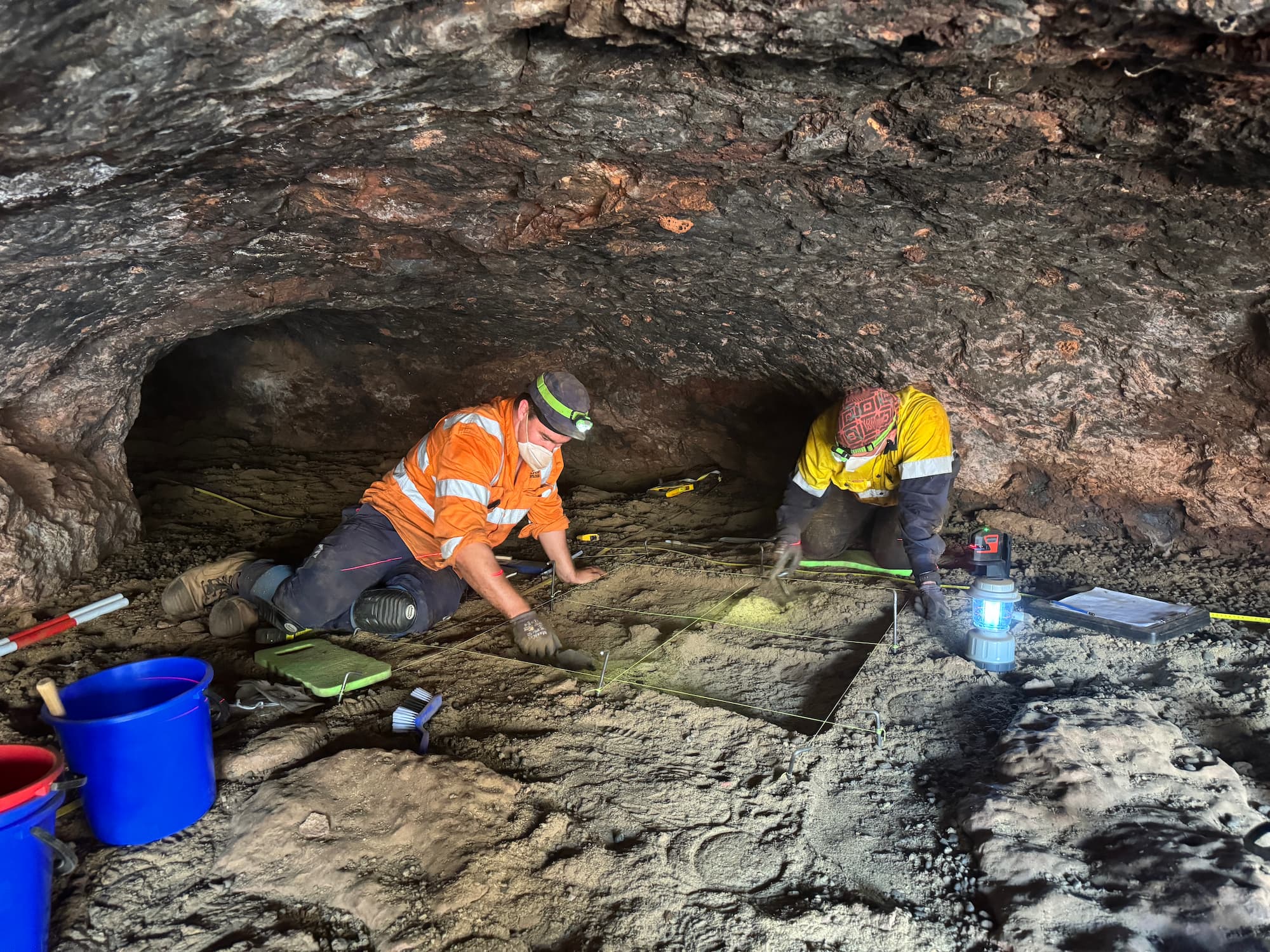
Archaeological Surveys
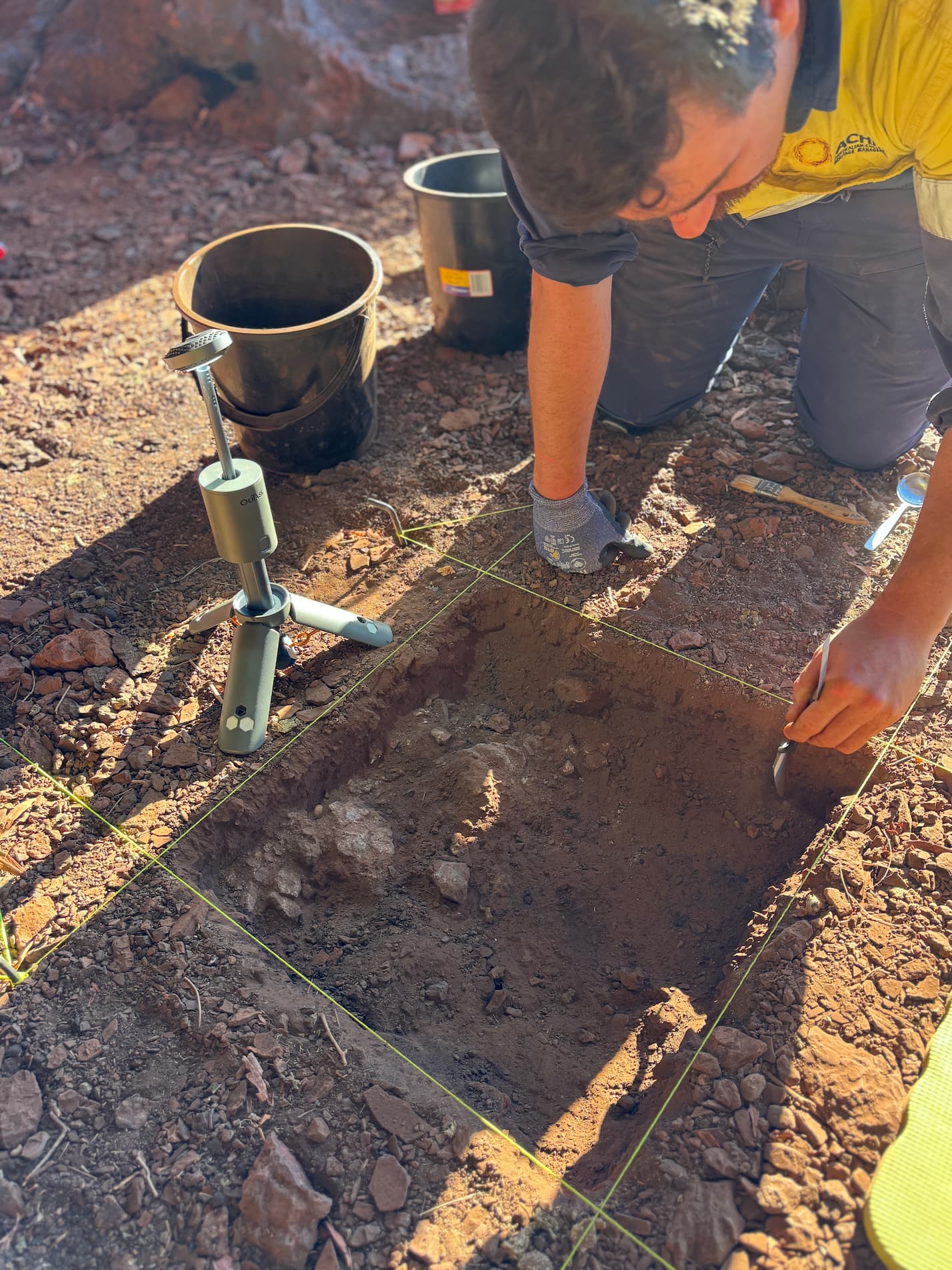
Archaeological Excavations

Due Diligence Assessments
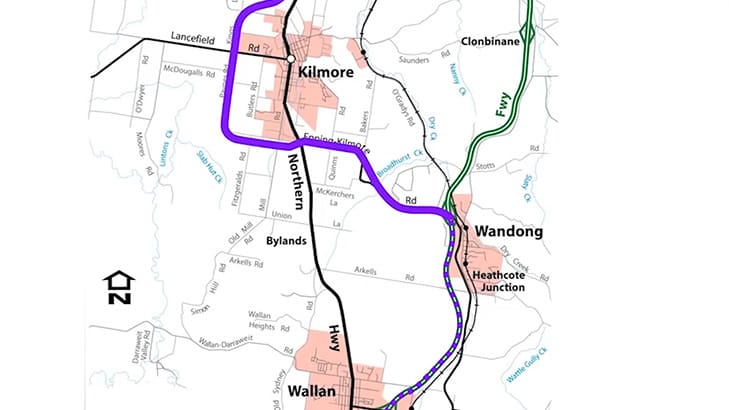
GIS and Mapping
Proven Success in Infrastructure Projects
Trusted by Industry Leaders










Frequently Asked Questions
Why is cultural heritage management important for infrastructure projects?
Infrastructure developments often intersect with culturally sensitive landscapes and sites of historical significance. Proper heritage management is essential to ensure compliance with legislation, prevent project delays, and foster meaningful collaboration with Traditional Owners. It can also safeguard heritage values for future generations.
What types of heritage assessments are needed for infrastructure projects?
Most infrastructure projects require a Cultural Heritage Assessment or Cultural Heritage Management Plan (CHMP). These assessments identify any Aboriginal or historical sites within the project area and outline how they will be managed during planning, construction, and operation.
How early should heritage management be considered in project planning?
Cultural heritage should be addressed from the earliest stages of project design and site selection. Early assessment helps avoid costly redesigns and ensures that Traditional Owners and regulators are consulted before construction begins.
Does ACHM provide on-site heritage monitoring during construction?
Yes. ACHM offers experienced heritage monitors who work alongside construction teams to ensure that agreed management plans are followed and that any new cultural heritage discoveries are handled appropriately and respectfully.
Can ACHM assist with community and Traditional Owner engagement?
Absolutely. ACHM has extensive experience facilitating respectful, transparent engagement with Traditional Owner groups. We ensure all consultation meets legislative requirements and build strong, ongoing relationships between project proponents and Indigenous communities.
How does ACHM help infrastructure projects meet legislative and regulatory requirements?
Our team is highly experienced in interpreting and applying state and Commonwealth heritage legislation. We help clients understand what approvals are required, prepare the necessary documentation, and maintain full compliance throughout each project phase, reducing the risk of legal or regulatory issues.
What are the benefits of conducting early due diligence on a project site?
Early due diligence helps developers identify potential heritage constraints before designs are finalised. This allows for better infrastructure site selection, reduces the risk of unexpected discoveries during construction, and helps avoid costly project delays. ACHM provides fast, practical reviews that inform smarter decisions.
How does ACHM ensure infrastructure projects remain on schedule during cultural heritage work?
We plan assessments and consultation processes strategically to align with development milestones. By managing approvals efficiently and maintaining proactive communication with stakeholders, we help infrastructure projects stay compliant without slowing progress or increasing costs.
What does success look like in an infrastructure heritage project?
A successful project delivers critical infrastructure while maintaining or enhancing cultural heritage values. ACHM’s success lies in achieving outcomes that respect Traditional Owners’ needs, meet legislative obligations, and ensure development timelines stay on track. Our work across infrastructure projects reflects this balance of respect and efficiency.
How does ACHM’s experience benefit infrastructure developers?
With more than two decades of national experience, ACHM understands the unique challenges of working across Australia’s varied landscapes. Our team brings proven expertise in complex, large-scale infrastructure projects and long-term relationships with Traditional Owner groups and regulators, helping clients move forward with confidence.
Need expert cultural heritage support for your infrastructure project?
ACHM is here to help. Call us today on 1300 724 913 or email us for more information.