BHP Mining Area C (MAC) and South Flank Hub

Delivering Cultural Heritage Management Services at Scale Across the World's Largest Iron Ore Operation

BHP Group Limited (BHP) is an ASX global resources company headquartered in Melbourne, Australia, and is the world’s largest mining company, producing commodities including iron ore, copper and metallurgical coal.

BHP operates across multiple areas, with significant assets in Western Australia’s Pilbara, South Australia, the Americas and other regions. Its commodities underpin essential infrastructure, manufacturing and energy-transition technologies, including steelmaking, renewable energy systems and electrification.

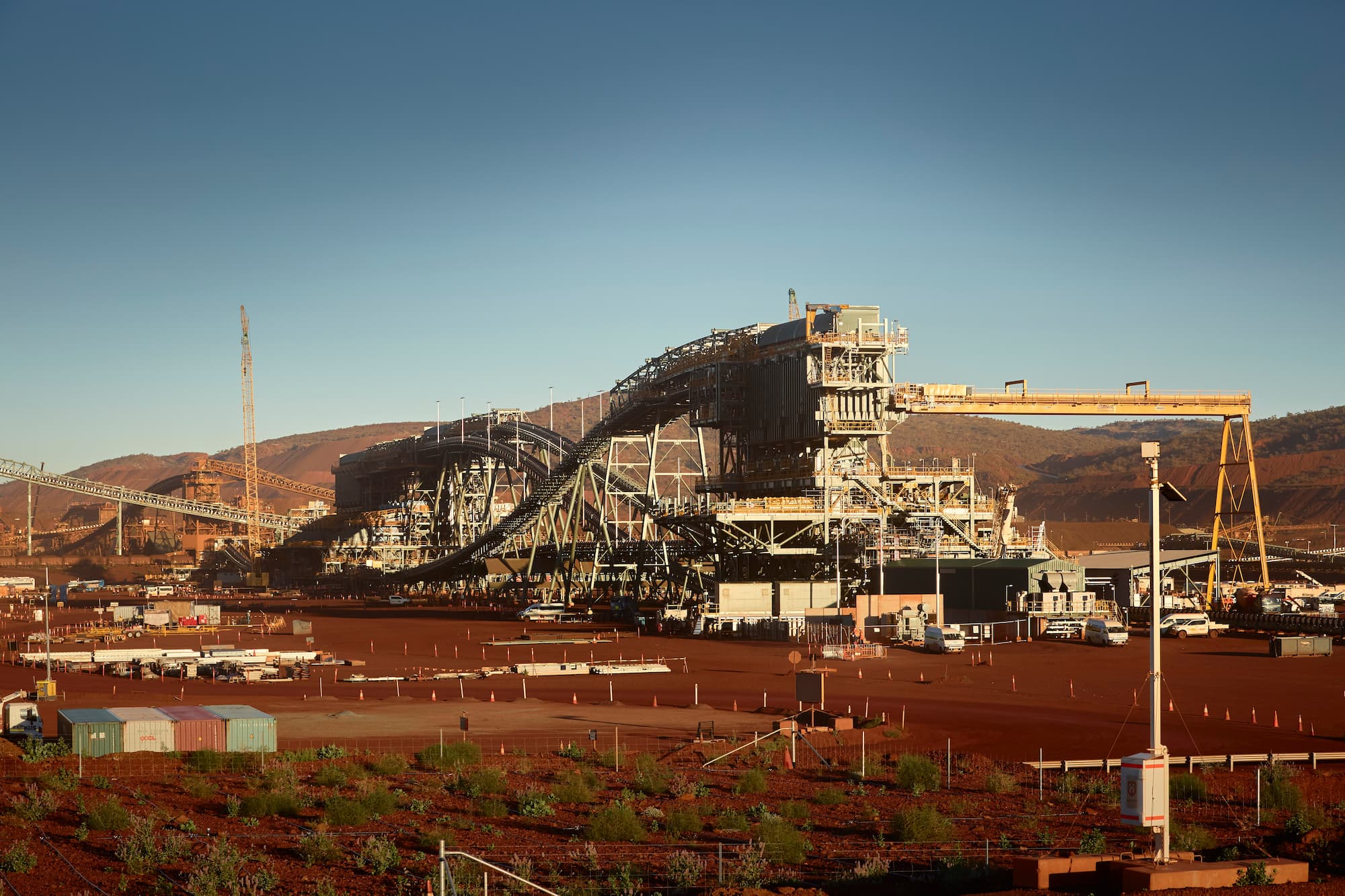
BHP’s Mining Area C and South Flank Hub in Western Australia’s Pilbara forms the world’s largest iron ore operation, producing and shipping approximately 145 million tonnes per annum. The scale, complexity and sensitivity of the cultural heritage landscape across this tenure demands an equally rigorous and experienced advisory approach.

Australian Cultural Heritage Management (ACHM) provides specialist Aboriginal heritage advisory services to the Banjima people across both projects, supporting the implementation of complex heritage management measures including Section 18 processes, technical assessments of Pleistocene rockshelters, rock art recording, ethnographic assessments, salvage programs and long-range planning frameworks required for regulatory approvals under the Aboriginal Heritage Act 1972 and Environmental Protection Act 1986.

Our role also encompasses the consolidation of decades of multidisciplinary heritage records, site verification and assessment across extensive tenure, and strategic advice on integrating cultural heritage considerations into the full operational lifecycle of one of the most significant resource developments in Australia.

Client

BHP Group Limited

Location

Western Australia

Sectors

Energy and Mining
Road and Rail
Infrastructure

Services

Results Delivered

Embedding Traditional Owner Participation in Cultural Heritage Decision-Making Across a 145 Million-Tonne Iron Ore Operation

Australian Cultural Heritage Management provides specialist Aboriginal heritage advisory services across BHP’s Mining Area C and South Flank Hub, an operation shipping approximately 145 million tonnes of iron ore per annum. Our team is integral to the protectiona and mitigation requirements of hundreds of archaeological sites and numerous significant ethnographic places across the tenure, conducting complex ILUA negotiations and delivering Section 18 processes, ethnographic assessments and salvage programs that ensure BHP’s operations remain compliant with the Aboriginal Heritage Act 1972. Careful heritage management at this scale protects both the cultural landscape and the operational certainty of one of Australia’s most significant resource developments.

Frequently Asked Questions

What Aboriginal heritage obligations apply to iron ore mining operations in Western Australia?

Iron ore mining operations in Western Australia are governed primarily by the Aboriginal Heritage Act 1972 (WA), which prohibits the excavation, damage or destruction of Aboriginal sites unless authorised by a Section 18 ministerial consent. Proponents are also required to comply with any heritage conditions attached to environmental approvals under the Environmental Protection Act 1986, and to meet the obligations of any Indigenous Land Use Agreements (ILUAs) in place with relevant Traditional Owner groups. For complex, long-running operations like BHP’s Mining Area C and South Flank Hub, this requires ongoing heritage survey, site monitoring, Section 18 processes and regular engagement with Traditional Owner representatives. Australian Cultural Heritage Management provides specialist Aboriginal heritage advisory services across all these compliance requirements. Learn more about our archaeological site monitoring services.

A Section 18 consent is an authorisation issued by the Western Australian Minister for Aboriginal Affairs that permits a proponent to use land in a way that may harm or destroy an Aboriginal site registered under the Aboriginal Heritage Act 1972. To obtain a Section 18 consent, a proponent must submit an application to the Department of Planning, Lands and Heritage detailing the proposed activity, the Aboriginal sites affected, the outcomes of consultation with Traditional Owners, and any proposed mitigation measures. The application is assessed by the Aboriginal Cultural Materials Committee (ACMC) before a ministerial decision is made. Australian Cultural Heritage Management prepares Section 18 applications and supporting heritage documentation for mining clients operating across Western Australia.

An Indigenous Land Use Agreement (ILUA) is a negotiated agreement between a mining company and a Traditional Owner group that sets out the terms for access to, and use of, land within a native title area. ILUAs often include heritage management commitments, such as survey requirements, consultation protocols, site avoidance obligations and agreed compensation or benefit-sharing arrangements, that go beyond the minimum requirements of the Aboriginal Heritage Act 1972. They provide certainty for both parties and establish a framework for respectful, ongoing collaboration. Australian Cultural Heritage Management supports Traditional Owner groups and mining proponents through ILUA negotiations, helping to develop heritage provisions that are workable, legally sound and culturally appropriate.

Independent cultural heritage advice is essential for Traditional Owner groups to ensure that their heritage interests are accurately assessed, clearly articulated and appropriately protected in any agreement with a mining company. Without independent technical expertise, Traditional Owner groups may lack the information needed to evaluate the significance of affected sites, assess the adequacy of proposed mitigation measures, or negotiate on an equal footing. Australian Cultural Heritage Management works directly for and on behalf of Traditional Owner corporations, including the Banjima Native Title Aboriginal Corporation, providing technically rigorous, independent advice that strengthens the position of Traditional Owners in any heritage negotiation.

Electrical Infrastructure

Power transmission lines across rural farmland for ACHM cultural heritage and project assessment context

ACHM has delivered heritage services for a broad range of electricity infrastructure projects across Australia.

Our experience includes new high‑voltage transmission lines, network upgrades and duplications, route realignments, and the relocation of electricity assets associated with major transport, urban development, and infrastructure projects. We have also supported distribution network upgrades, substation developments, and grid‑connection works for renewable energy projects, working from early feasibility and route selection through to construction and commissioning. 

ACHM’s multidisciplinary team provides end‑to‑end heritage support for electricity infrastructure, including due diligence assessments, Cultural Heritage Management Plans, historic heritage assessments, GIS‑based constraints mapping, stakeholder and Traditional Owner engagement, and construction monitoring. This depth of experience enables us to manage regulatory risk, maintain project momentum, and deliver compliant, practical outcomes for complex powerline, upgrade, and relocation projects.

ACHM have provided services and advice for projects such as:

  • 66kv power line between Somerton and Craigieburn
  • 66kv power line between Keilor East and Tullamarine
  • Powerline upgrade between Leongatha and Korrumburra
  • Rio Tinto Hope Downs 1 to Hope Downs 4 220kv powerline
  • Reeves Plain power station
  • Bairnsdale power station upgrades
  • BHP Ministers North 132kv powerline relocation

Kilmore Sewer Project

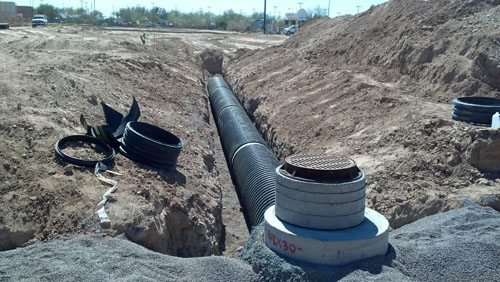
Construction trench with sewer pipeline and manhole for ACHM cultural heritage project assessment context

ACHM prepared and delivered the Approved Cultural Heritage Management Plan and the salvage works for the Kilmore Sewer Project for Goulburn Valley Water, supporting the construction of a new sewer outfall through an archaeologically sensitive corridor along Kilmore Creek.

The project involved extensive consultation with Taungurung Land and Waters Council and detailed field investigations to identify, manage and protect Aboriginal cultural heritage.

ACHM’s work enabled the project to proceed in accordance with legislative requirements while responsibly managing heritage values within a highly constrained urban and creek‑side environment.

Rail Infrastructure

ACHM is a trusted cultural heritage partner across Australia’s public and private rail networks. We support government agencies, rail operators, major contractors and Traditional Owner groups to deliver safe, compliant and culturally respectful rail infrastructure projects.

Our experience covers the full project lifecycle—from early planning and CHMP preparation to salvage excavations, stakeholder engagement, on‑Country consultation and ongoing advisory. We ensure that essential transport upgrades progress efficiently while meeting the highest standards of cultural heritage protection.

Across major corridor duplications, station redevelopments, stabling and maintenance facilities, level‑crossing removals and regional line upgrades, ACHM brings deep technical capability, strong regulatory expertise and enduring relationships with Traditional Owners nationwide.

Warrnambool Line Upgrade – Cultural Heritage Management
 
ACHM played a central role in the Cultural Heritage Management Plan (CHMP) for the Warrnambool Line Upgrade, including amendments and ongoing advisory services. Our work involved:
  • Direct engagement with Traditional Owners
  • Resolving CHMP queries and clarifying assessment outcomes
  • Updating advice as rail design progressed
  • Coordinating with the construction partner to ensure all works aligned with cultural heritage obligations and legislation

We also delivered broader support, including the review of previous CHMPs, salvage requirement assessments and project liaison to maintain compliance and streamline the approvals pathway.

Level Crossing Removal Project (LXRP)

ACHM  completed CHMPs, due diligence assessments, salvage programs, spatial data tasks and heritage compliance services across numerous LXRP packages.

Growth Area Stations Program

ACHM prepared CHMPs, duel diligence assessments, salvage programs and heritage compliance services for the Victorian Government’s Growth Area Stations initiative, including new or expanded stations or infrastructure at:

  • Caroline Springs
  • Eltham
  • Frankston
  • Merlynston
  • Pakenham
  • Ravenhall
  • Riddells Creek 
  • Tarneit
  • Watergardens
  • Wattle Glen
  • Williams Landing
  • Wyndham Vale
  • Yarraman

Our involvement supported the investigative stage through to approval‑ready submissions for multiple rapidly growing urban centres.

Stabling Yards, Rail Sidings & Precinct Enhancements

Across metropolitan and regional networks, ACHM provides cultural heritage expertise for:

  • Depot expansions
  • Stabling yards
  • Rail sidings
  • Broader precinct upgrades

Our work includes due diligence, CHMPs, salvage programs and risk identification, all tailored to align with demanding rail construction schedules.

Pilbara Heavy‑Haul Rail Projects

Mulga Downs Rail & Hub

ACHM is delivering end‑to‑end cultural heritage services for the Mulga Downs Iron Ore Project, including the proposed rail spur and hub for Hancock Prospecting and Roy Hill. Our work includes:

  • Ethnobiological and ethnographic studies
  • Extensive archaeological surveys
  • Heritage governance and stakeholder engagement
  • Avoidance recommendations and site recording

We ensure Banjima Traditional Owner values guide planning and construction while providing the assurance needed for safe and compliant delivery.

Fortescue Solomon Rail

Over 100 km of archaeological and ethnographic assessments supporting greenfields rail development and Solomon Mine operations.

Rio Tinto Gudai‑Darri Rail

Over 80 km of archaeological and ethnographic assessments for the Gudai‑Darri Mine rail corridor.

Rio Tinto Hope Downs Rail

Over 100 km of archaeological and ethnographic surveys supporting the Hope Downs rail corridor.

West Pilbara Iron Ore Project Rail Corridor

Heritage site verification across 180 km of proposed heavy‑haul rail infrastructure, supporting early feasibility and planning.

Rail Capability at a Glance

  • End‑to‑end heritage services, surveys, assessments and CHMPs from early due diligence to complex investigations and salvage.
  • Specialist Traditional Owner engagement ensuring transparent, respectful and legislatively compliant consultation.
  • GIS, spatial analysis and predictive modelling to identify corridor‑wide risks and inform route selection.
  • Rapid‑response advisory for contractors managing emergent heritage issues.
  • Compliance excellence supported by ISO‑certified quality, safety and environmental systems.
  • Seamless integration with project delivery, including alignment with rail construction sequencing and safety protocols.

Optus

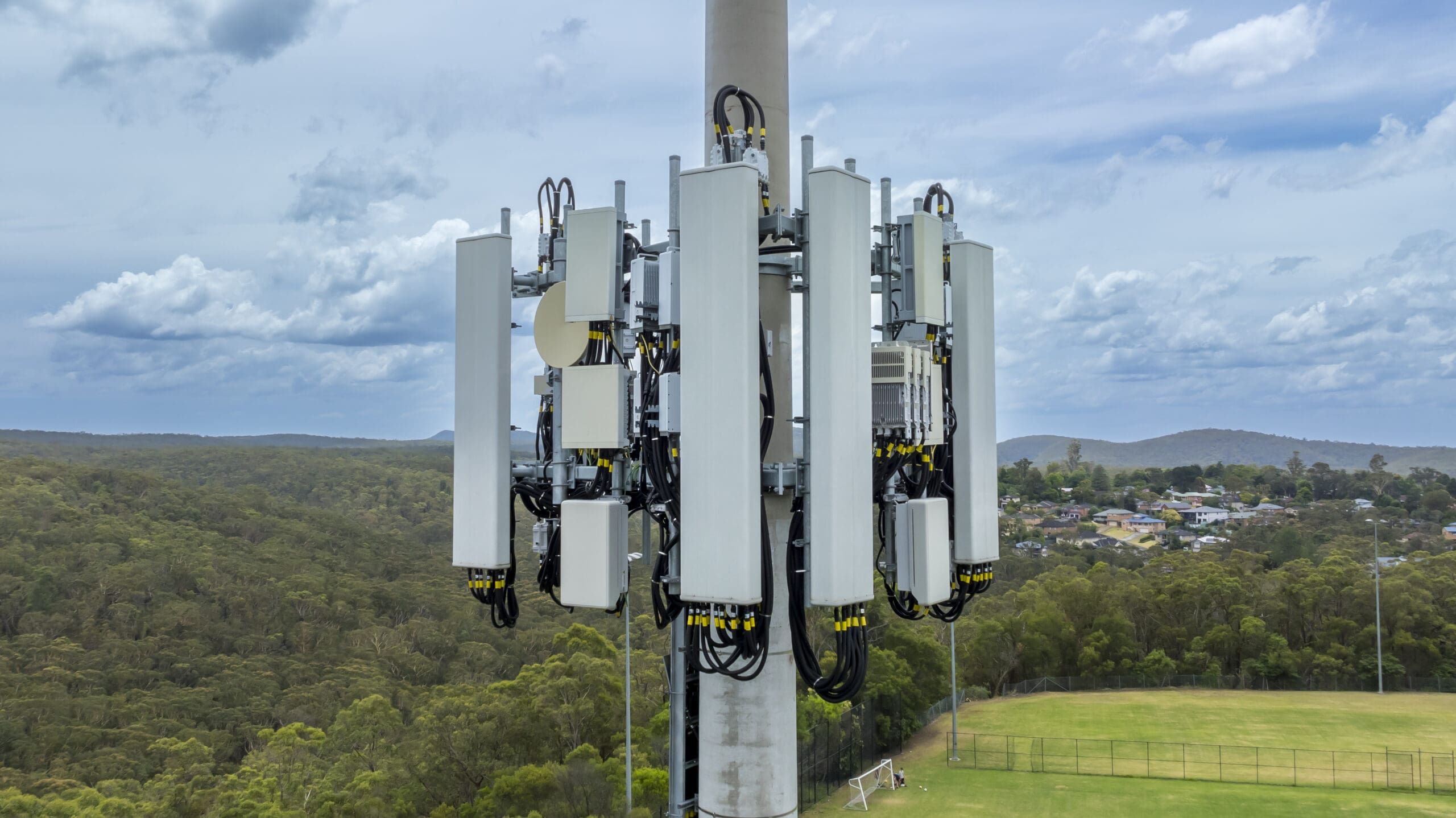
ACHM supports Optus across a range of telecommunications infrastructure projects across Australia, helping ensure new towers, network upgrades and fibre expansions meet cultural heritage obligations while progressing efficiently through planning and construction.

As one of Australia’s major network operators, Optus delivers infrastructure in diverse landscapes, often within or near areas of cultural heritage sensitivity. ACHM provides the clarity, compliance assurance and on‑ground expertise needed to navigate these responsibilities with confidence.

Working closely with Traditional Owner groups, statutory authorities and project engineers, ACHM delivers practical heritage solutions tailored to the fast‑moving demands of the telecommunications sector. This includes early‑stage due diligence, cultural heritage risk assessments, CHMP’s, archaeological field services and ongoing advisory support to keep projects moving while maintaining full respect for cultural values.

Our partnership with Optus reflects ACHM’s reputation for providing responsive, technically robust and culturally informed guidance across large‑scale national programs. Through this work, we help Optus expand and upgrade critical communications infrastructure in a way that is responsible, compliant and aligned with the cultural heritage expectations of communities across Australia.

Country Fire Authority

Red CFA fire truck with open side compartments showing hoses and emergency equipment

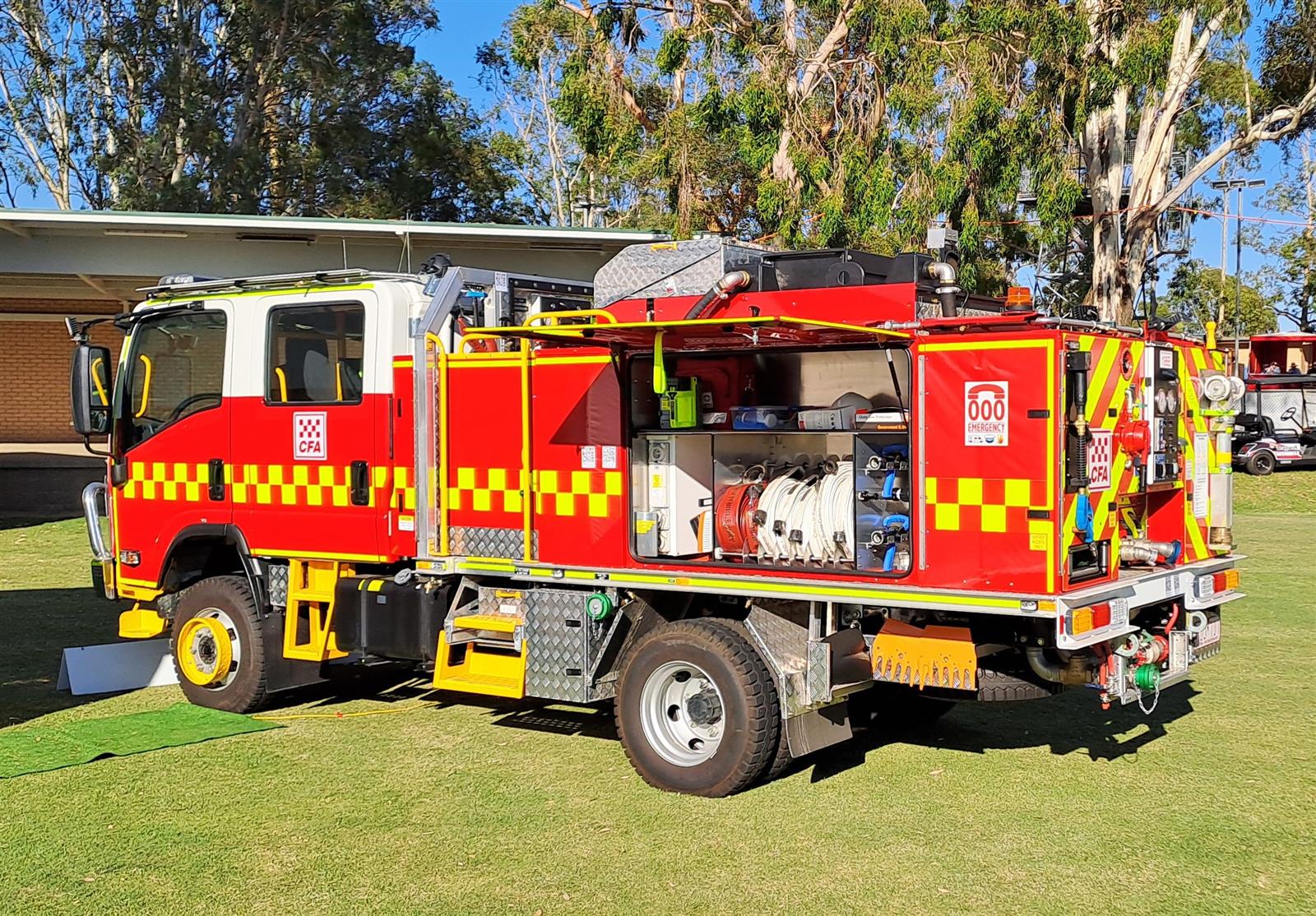
ACHM has supported the Country Fire Authority (CFA) across a series of new and upgraded fire‑station developments throughout regional Victoria. Our work has included the completion of Cultural Heritage Management Plans (CHMPs) for the Pyalong CFA Station, as well as extensive due diligence assessments for proposed fire stations at Callawadda, Clear Lake, Pomonal, Greendale, Buninyong, Dundonnell, and The Basin.

These assessments ensure emergency services infrastructure can be delivered responsibly, efficiently, and in full compliance with Victorian Aboriginal cultural heritage legislation.

Across CFA’s regional station upgrades and new builds, ACHM worked closely with Registered Aboriginal Parties, stakeholders, and project planners to identify, assess, and manage cultural heritage sensitivities early in the planning process. This ensured project designs could be refined where necessary, risks minimised, and compliance pathways streamlined—supporting CFA’s commitment to serving local communities while respecting the deep histories and cultural landscapes of Victoria.

ACHM is proud to contribute to the development of critical emergency response facilities across the state, helping CFA deliver safer and stronger fire‑service infrastructure for Victorian communities.

Western Highway Duplication

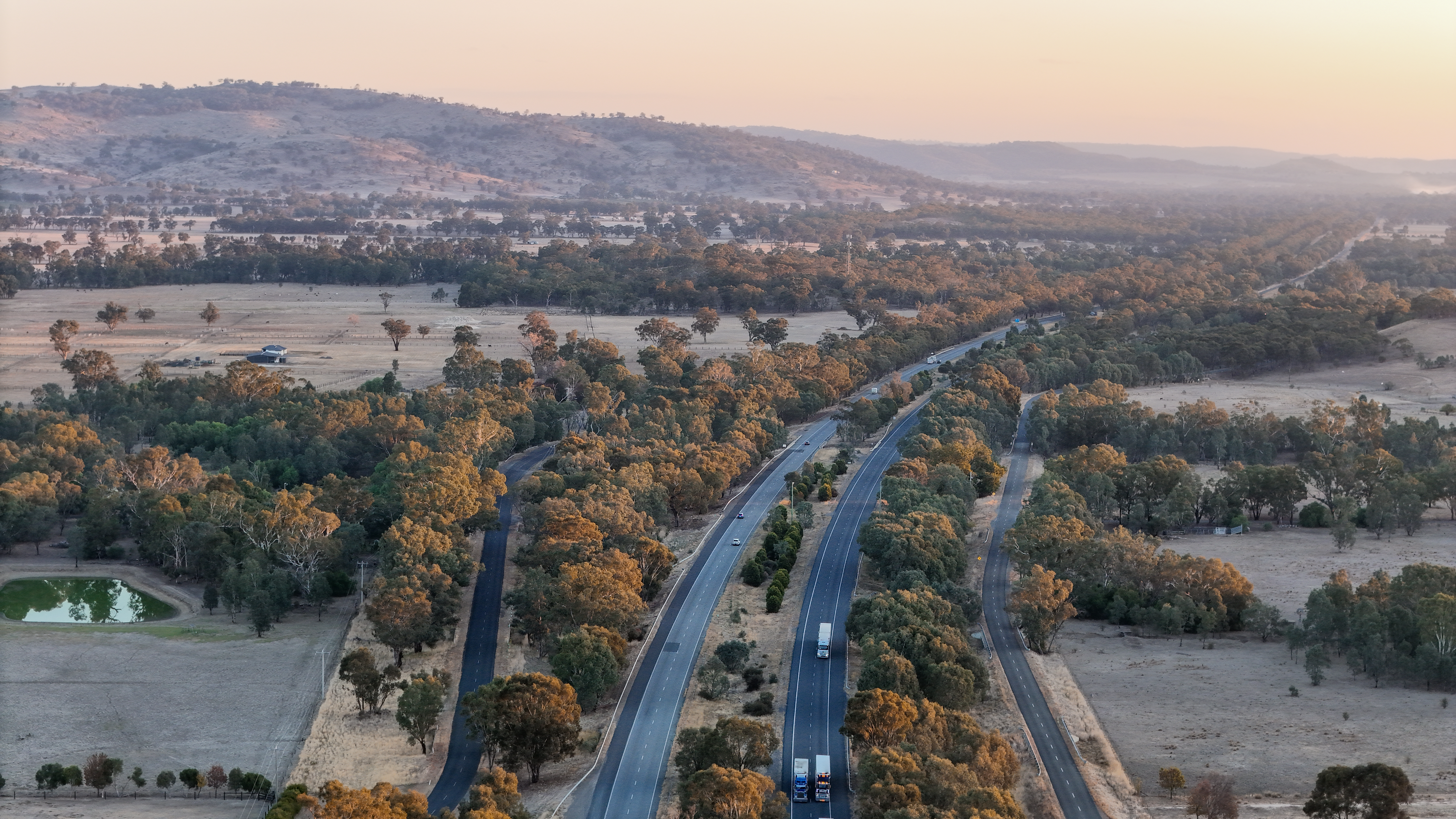
ACHM provided specialist cultural heritage advisory services for the Western Highway Duplication between Buangor and Stawell, delivering the mandatory Cultural Heritage Management Plan required for the project. Our team undertook comprehensive desktop and standard assessments to identify and manage Aboriginal cultural heritage sensitivities along the corridor.

We worked closely with VicRoads and the Registered Aboriginal Party to ensure full compliance with the Victorian Aboriginal Heritage Act 2006, while carefully integrating cultural heritage considerations into planning, design, and construction plans. ACHM’s approach ensured regulatory certainty, safeguarded cultural values, and supported the smooth delivery of this major infrastructure upgrade.

VicRoads

ACHM has a long record of successfully delivering cultural heritage services for VicRoads across major road and highway upgrades throughout Victoria. Our work includes multiple Complex and Standard CHMPs for the Safe System Road Infrastructure Program (SSRIP), salvage investigations for projects, and large‑scale CHMP’s and salvages for the Western Highway duplication, Midland Highway expansion, South Gippsland Highway expansion, Melton highway, Princes Highway expansion, Northern Highway works and extensive works on the Wallan-Kilmore bypass.

Through detailed desktop, standard and complex assessments, stakeholder consultation and regulatory navigation under the Aboriginal Heritage Act 2006, ACHM supports VicRoads in delivering safe transport infrastructure while protecting Aboriginal cultural heritage values.

North East Link Project

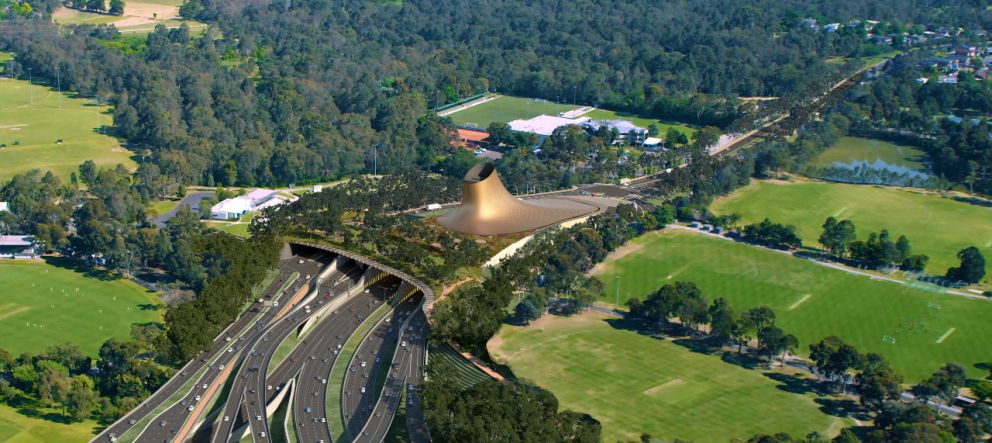
ACHM played a key role in the early works phase of Melbourne’s largest road project, the North East Link, working in partnership with CPB Contractors to deliver specialist cultural heritage services across the project’s complex urban footprint.

Between 2020 and 2021, ACHM was engaged to manage the archaeological compliance requirements essential to preparing the corridor for major construction. This included large‑scale archaeological salvage programs, detailed historic building assessments, and ongoing due diligence advice across a rolling program of early works activities.

The North East Link is being delivered by CPB Contractors as part of the Spark consortium, providing the primary package of three‑lane twin tunnels that will finally connect Melbourne’s freeway network. ACHM’s work ensured that heritage obligations were fully met during this critical preparatory phase, supporting CPB Contractors in navigating statutory requirements while enabling the project to proceed efficiently and responsibly.

By combining archaeological expertise with practical on‑site support, ACHM helped protect significant cultural and historical values while contributing to one of Victoria’s most important infrastructure initiatives.

East Grampians Rural Pipeline

ACHM were been engaged by Cape Dunstans and Grampians Wimmera Water to undertake the heritage approvals for the East Grampians Rural Pipeline. The project includes archaeological survey and excavations along almost 2,200 kilometres of proposed pipeline alignment.

ACHM have completed 6 Complex CHMP’s and numerous amendments for the project in collaboration with the Waddawurrung, Barenji Gadgin and Eastern Maar RAP groups. The complex assessment for the CHMP’s has resulted in the excavation of approximately 1,000 1m x 1m test pits.