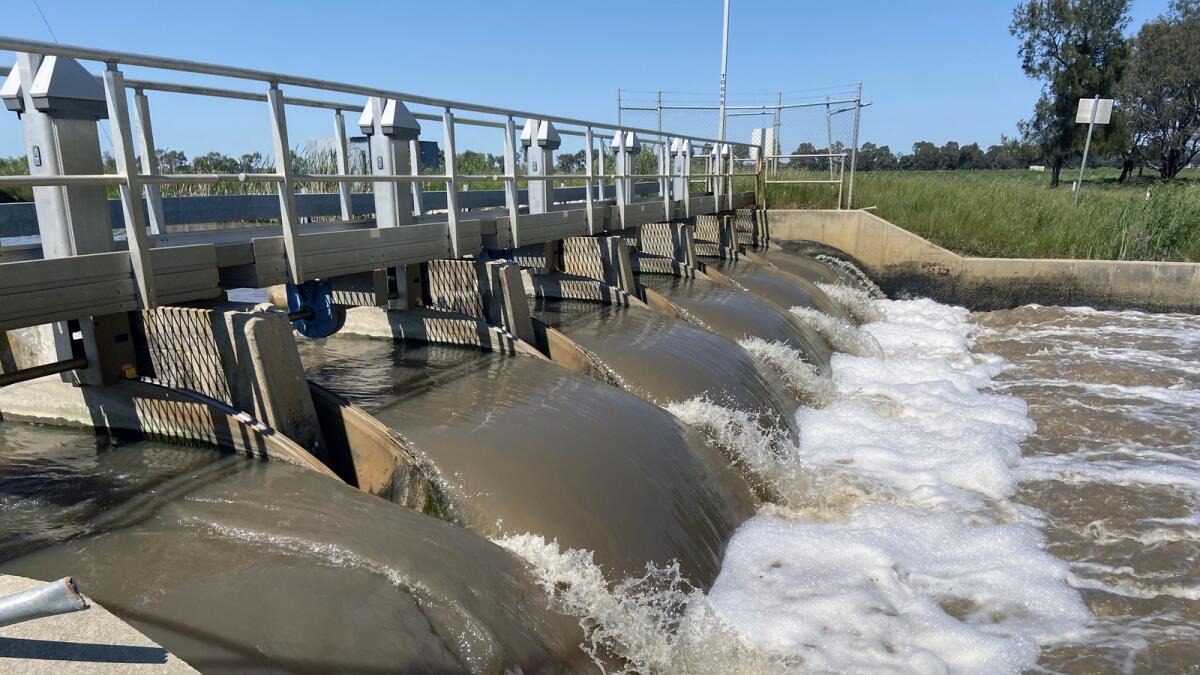
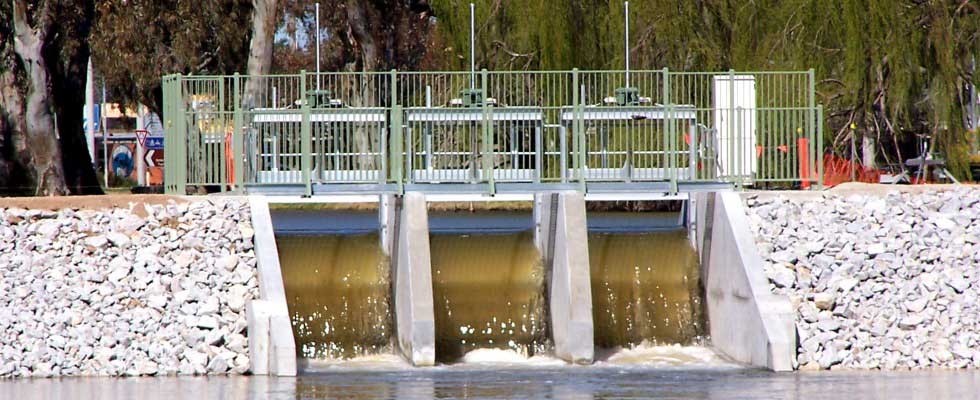
Goulburn Murray Water

ACHM provides ongoing cultural heritage advice and statutory assessment services to Goulburn‑Murray Water, supporting a diverse program of water infrastructure works across northern Victoria.

Through our long‑standing partnership, we help ensure GMW projects progress efficiently, safely, and in full compliance with the Aboriginal Heritage Act and all relevant regulatory requirements.

Our team has supported major infrastructure upgrades across the region, including significant contributions to the GMW Connections Project—Victoria’s largest irrigation modernisation initiative—delivering key cultural heritage inputs that underpin major water‑saving outcomes.

We have undertaken comprehensive due diligence assessments for works such as the Hayes Road Lake Boga upgrade and the Boort–Kerang Road culvert replacement, and we have completed more than 30 CHMPs for GMW. These include landmark projects such as the 450‑kilometre Mitiamo Stock and Domestic Pipeline and the technically challenging Box Creek regulator replacement at Ghow (Kow) Swamp.

ACHM also provides early‑stage cultural heritage input for proposed pipeline alignments—such as the Nine Mile Creek Macorna WEP pipelines—giving project teams clear guidance on CHMP triggers, exemptions and approvals pathways from the outset.

By combining rigorous assessment, strong regulatory understanding and close collaboration with GMW engineers and project managers, ACHM supports the delivery of water infrastructure projects that are efficient, culturally responsible, and aligned with the expectations of Traditional Owners and statutory authorities.
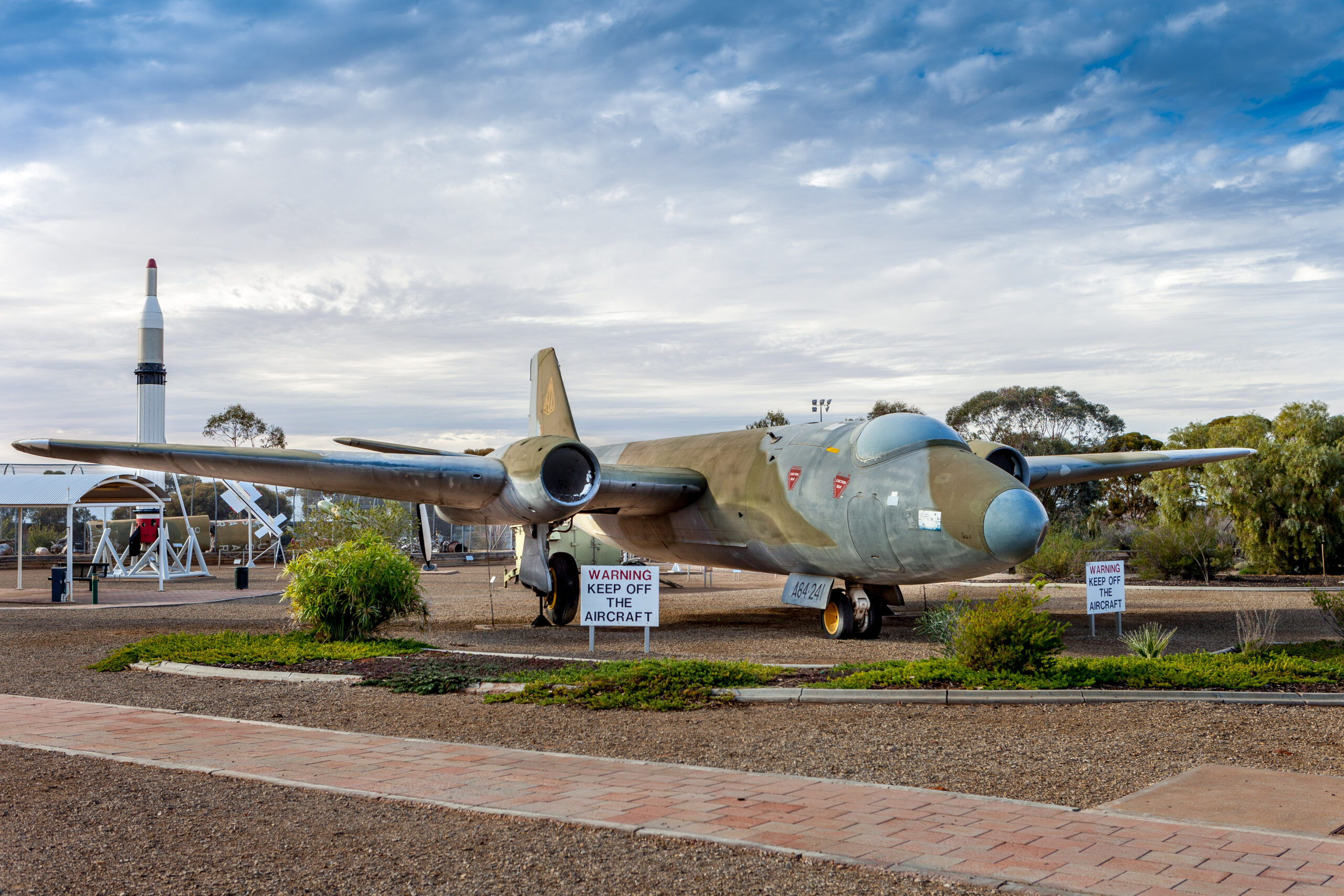
RAAF Base Woomera Airfield Extension

ACHM were commissioned to undertake an archaeological assessments of an area of land proposed to be used for an extension of the airfield at RAAF Base Woomera.

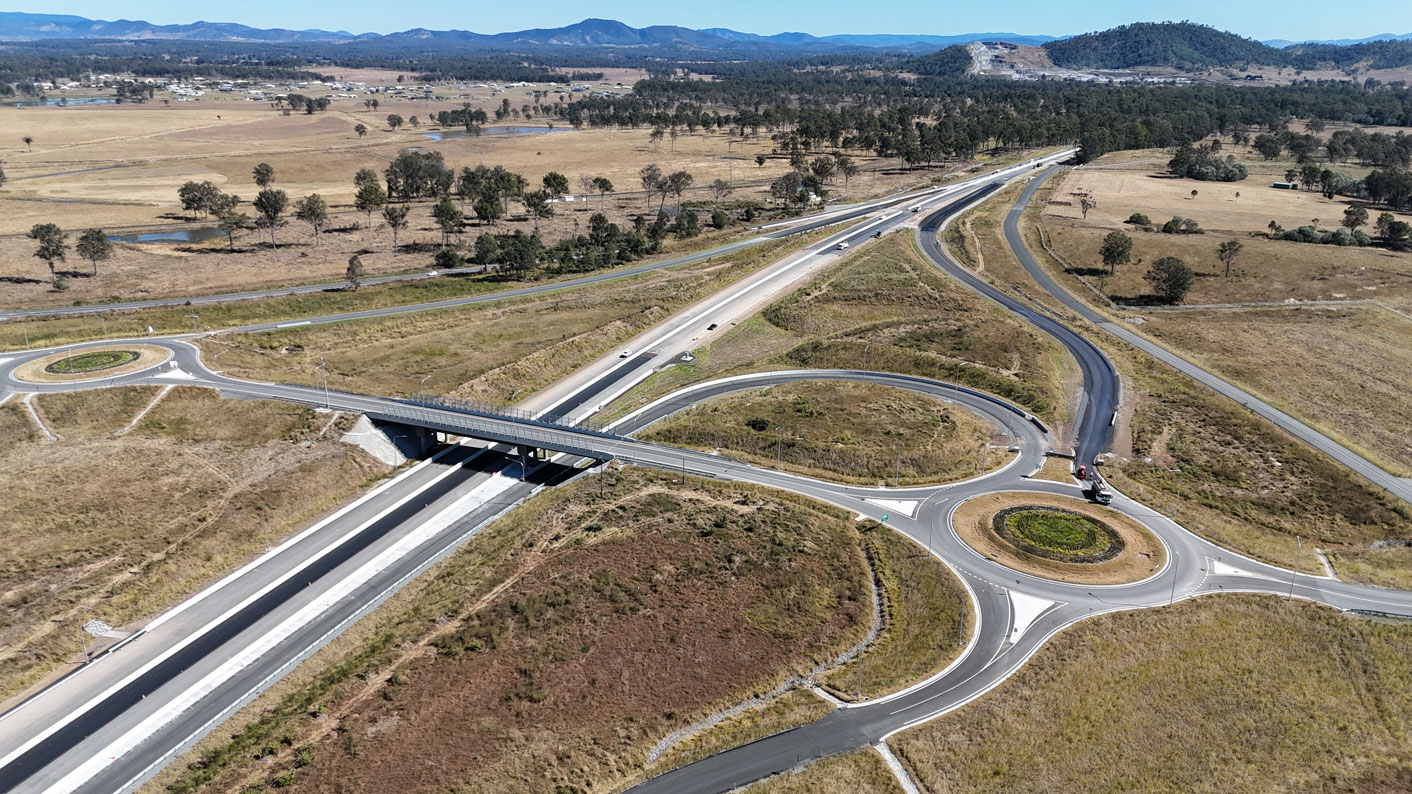
Bruce Highway (Cooroy to Curra)

ACHM was commissioned by Department of Transport and Main Roads to undertake a desktop Aboriginal and historical archaeological assessment of an area known as the ‘Gympie Pyramid. 

Following the completion of the desktop report, ACHM were also commissioned to undertake community consultation and ethnographic assessment of the same area with the Traditional Owners.

Water for a Growing West

The Water for a Growing West project is a major Melbourne Water initiative designed to support the expanding communities of Melbourne’s western growth corridor.
 
As part of this work, ACHM completed a Complex CHMP and conducted salvage excavations along the pipeline route between St Albans and Tarneit, recovering and analysing approximately 700 stone artefacts.
 
These investigations ensured that important Aboriginal cultural values were identified, documented and responsibly managed while enabling the delivery of vital water infrastructure to meet the needs of a rapidly growing region.

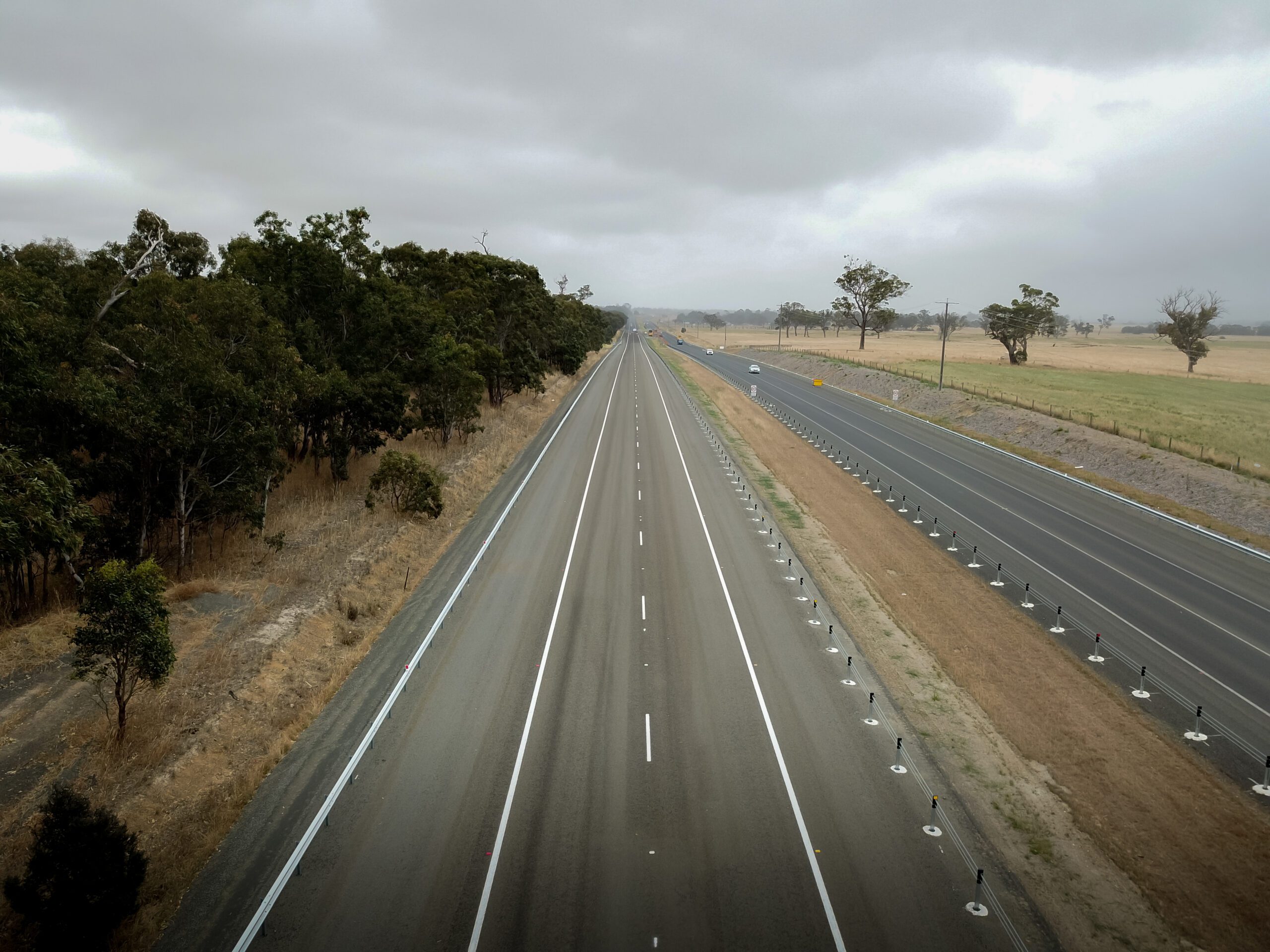
TAC and VicRoads Safer System Roads Infrastructure Program (SSRIP)

ACHM provided comprehensive cultural heritage services for the $1b VicRoads Safer System Roads Infrastructure Program (SSRIP), delivering Due Diligence Assessments, Standard and Complex CHMPs and salvages across multiple regional Victorian road‑upgrade corridors. The project involves a significant investment in an upgrade to roadside safety mechanisms such as new and improved accident prevention barriers.
 
Our work supported VicRoads’ road‑safety improvements by conducting targeted field surveys, site inspections, archaeological assessments, and strategic heritage advice to ensure upgrades were compliant, culturally sensitive, and technically robust.
 
Through close coordination with Registered Aboriginal Parties and project engineers, ACHM helped minimise project risks, protect cultural values, and keep critical road‑safety works progressing efficiently across the state.

GMW Connections Project

ACHM has been a key heritage partner to Goulburn‑Murray Water (GMW) through the long‑running G‑MW Connections project—Victoria’s largest irrigation modernisation program. Over more than a decade, ACHM has delivered extensive cultural heritage management services across more than 300 individual infrastructure construction sites, including numerous Approved Cultural Heritage Management Plans (CHMPs) and due diligence assessments.
 
Our work has also included highly specialised archaeological programs, most notably the excavation, dating and careful repatriation of an important Pleistocene burial site at Ghow (Kow) Swamp in northern Victoria. In addition to the Connections program, ACHM continues to provide cultural heritage support across a wide portfolio of GMW projects—ranging from CHMPs for pipeline upgrades and regulator replacements to early‑stage design advice, GIS analysis, and heritage risk assessments—all ensuring that critical water infrastructure modernisation proceeds efficiently, lawfully and with full respect for Traditional Owner values.

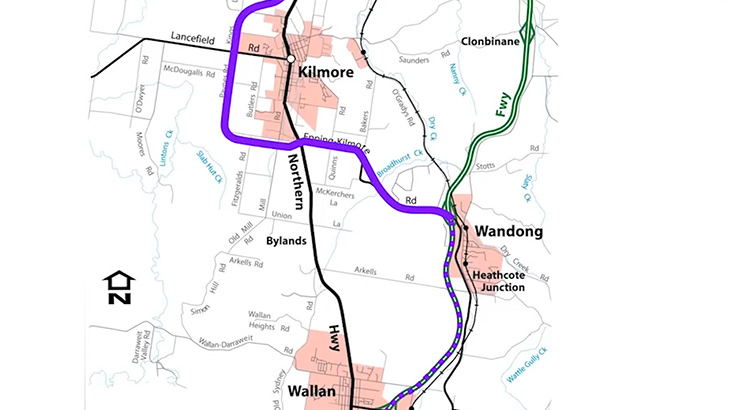
VicRoads Wallan-Kilmore Bypass

ACHM supported planning for the Wallan–Kilmore Bypass through the provision of specialist cultural heritage advice, drawing on our extensive experience in archaeological and ethnographic assessment across major infrastructure projects.
 
Our involvement focused on identifying and managing Aboriginal cultural heritage places within the proposed alignment, ensuring that early‑stage design and environmental approvals processes properly accounted for cultural values, site protection requirements, and legislative obligations under Victorian heritage law.
 
By applying the same rigorous methodologies we use across Australia—including systematic field survey, cultural values assessment, and clear, defensible reporting—ACHM helped ensure that decision‑makers had an accurate understanding of the cultural landscape, enabling a bypass design that balanced infrastructure needs with responsible protection of Aboriginal cultural heritage.

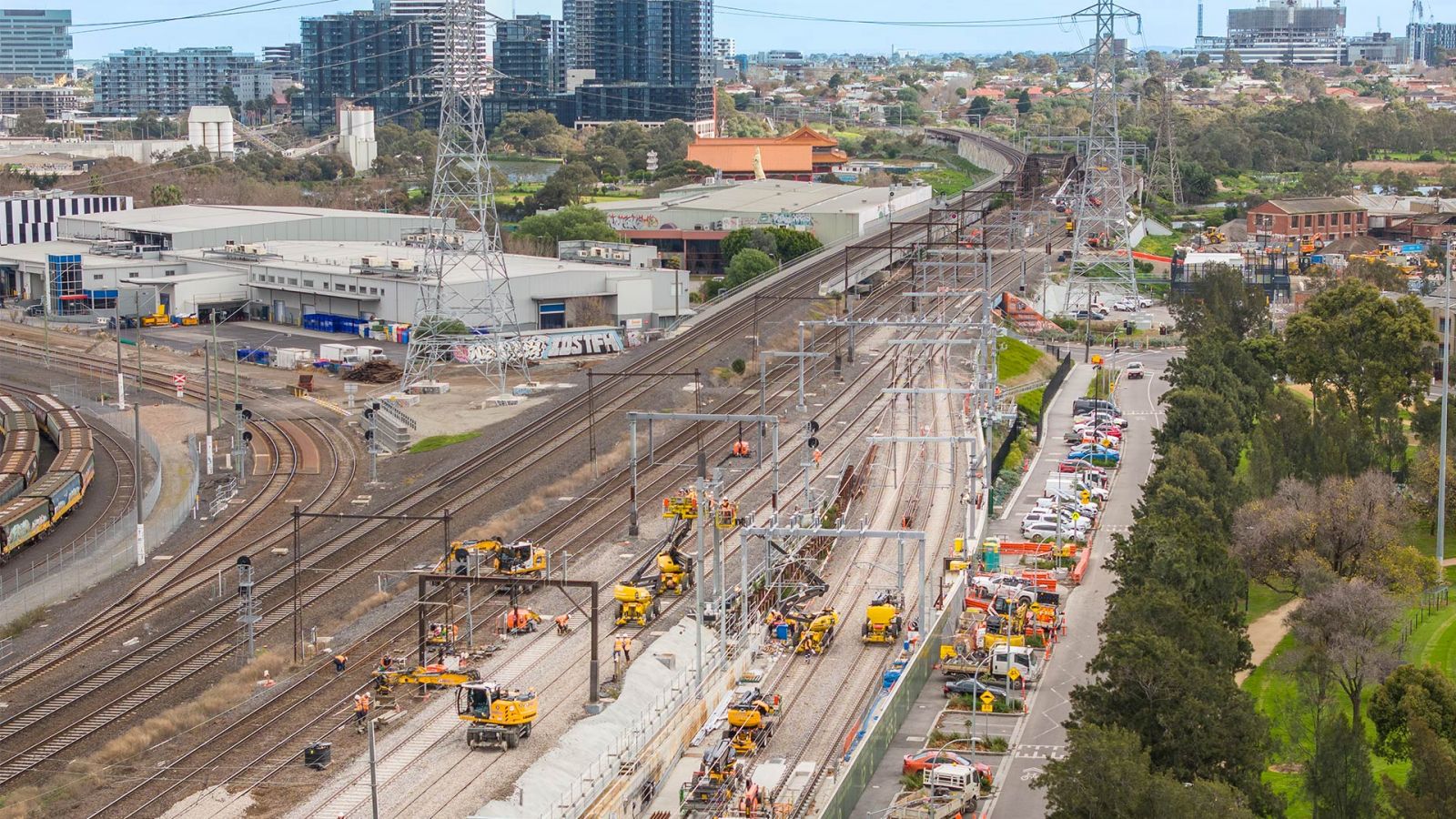
Sunbury Electrification Project

ACHM were engaged to resolve significant cultural heritage challenges associated with the Sunbury Electrification Project. Called in after issues emerged during the original assessment, ACHM applied its multidisciplinary expertise across archaeology, project management and cultural heritage governance to deliver practical, cost‑effective solutions that allowed the project to progress while safeguarding Aboriginal heritage values.

Our team identified and accurately recorded an additional 90 previously unregistered heritage sites, ensuring that construction could proceed without disturbing these places and saving the client substantial costs.

ACHM’s field teams used advanced DGPS technology to achieve <10cm accuracy in mapping heritage sites and deployed ground‑penetrating radar where appropriate to assess sub‑surface cultural material. This combination of technical capability and cultural insight enabled efficient, targeted decision‑making that balanced construction requirements with the protection of cultural values.

ACHM worked closely with the Wurundjeri people throughout the process, ensuring Traditional Owner involvement and supporting culturally informed heritage management across the 15‑kilometre project corridor.

In addition to archaeological expertise, ACHM provided strategic guidance in navigating legislative and stakeholder complexities, enabling the project team to manage heritage obligations effectively within a highly regulated environment. ACHM’s contribution ensured that the Sunbury Electrification Project could be delivered safely, compliantly and respectfully—preserving significant cultural heritage, maintaining strong community relationships and supporting improved rail infrastructure for one of Melbourne’s key growth corridors.

Vicroads Princes Highway Duplication

ACHM has played a key role in supporting VicRoads across multiple stages of the Princes Highway Duplication project in Gippsland and the Surf Coast region of Victoria. Our work included completing a number of Cultural Heritage Management Plans for the project and undertaking major salvage excavations in partnership with Traditional Owners.
 
These excavations recovered several thousand stone artefacts, contributing important archaeological insights into the cultural landscape of the two regions, and ensuring that heritage values were properly identified, recorded and managed during road duplication works.

Box Creek Weir

Goulburn-Murray Water (GMW) engaged ACHM to complete a Complex CHMP for the Box Creek Weir replacement project in 2011. Following the approval of the CHMP, works commenced on site to replace the dilapidated 100-year-old weir. During very early works, human skeletal remains were discovered. 

ACHM were engaged to manage the sensitive process of community and government consultation with GMW. Discussions were held over a 12 month period in order to fully and openly engage with the Traditional Owners and their wishes for the long term management of the remains. 

A comprehensive archaeological investigation and recording of the burial site were undertaken by ACHM and the Traditional Owners. The burial was found to be undisturbed, and archaeological excavation works were conducted in such a way as to ensure that the burial remained in situ. Freshwater mussel shell found in direct association with the Ancestral remains radiocarbon dated to 12,500 years of age, placing this burial squarely within the age range of numerous other human interments fringing Ghow (Kow) Swamp.

The Traditional Owners resolved that the remains should not be disturbed. GMW and their construction partners subsequently redesigned the weir structure so as to avoid impacting the remains.