Delivering Cultural Heritage Services Across Australia's Electricity Network
Australian Cultural Heritage Management has delivered heritage services for a broad range of electricity infrastructure projects across Australia, for network owners, generators, resources companies and delivery contractors including BHP, Rio Tinto, Ventia, SP AusNet, ElectraNet and Alinta Energy.
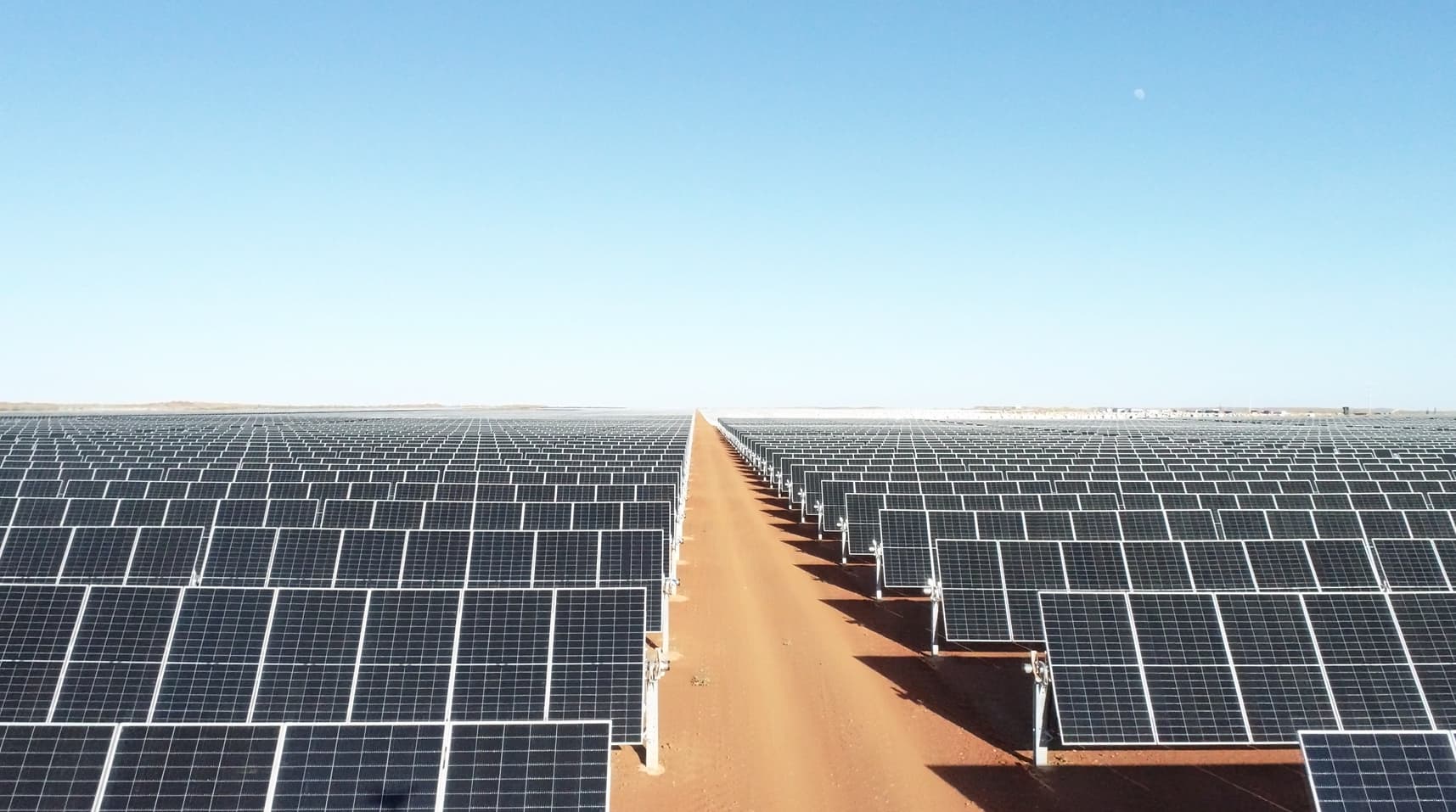
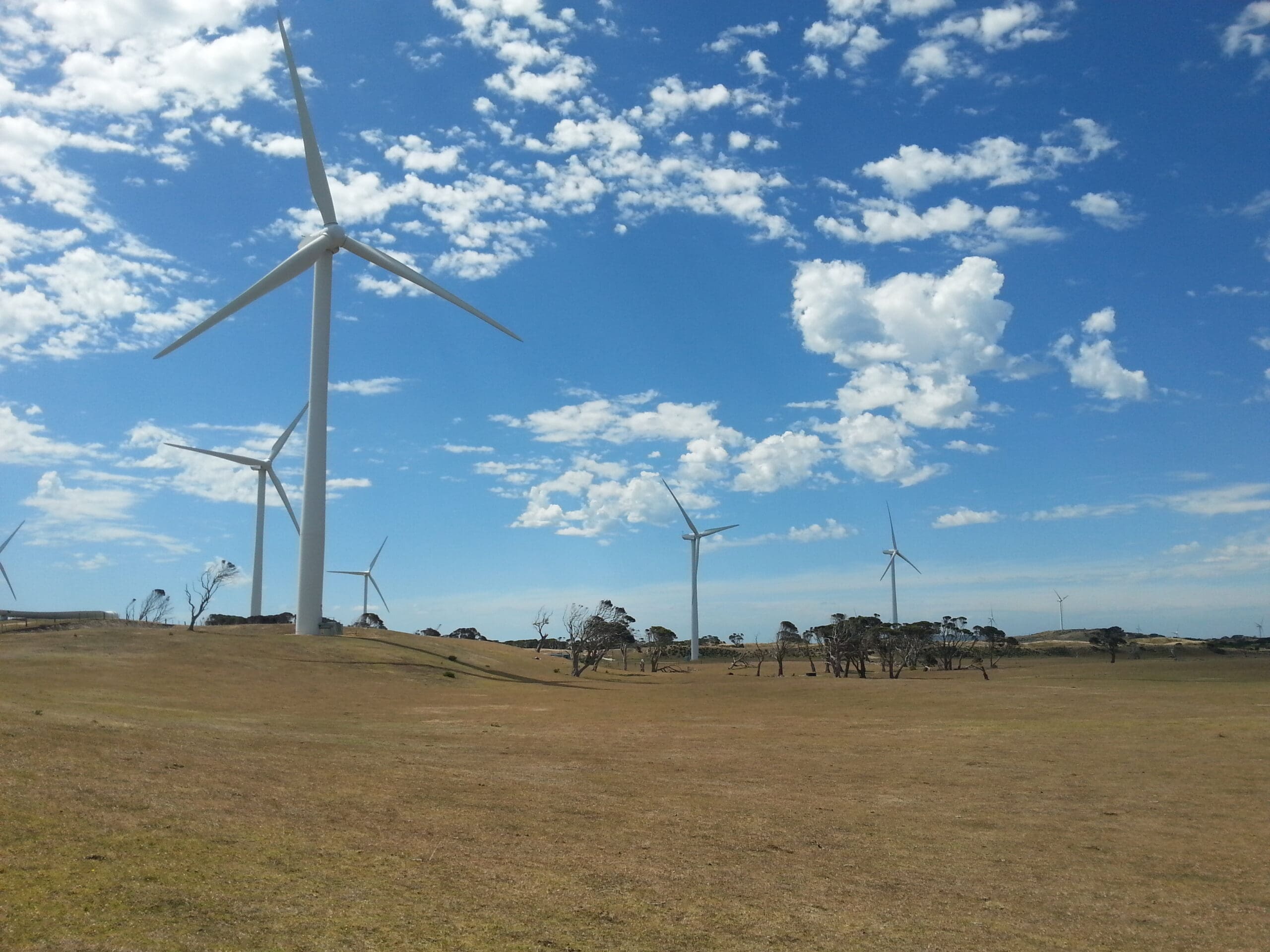
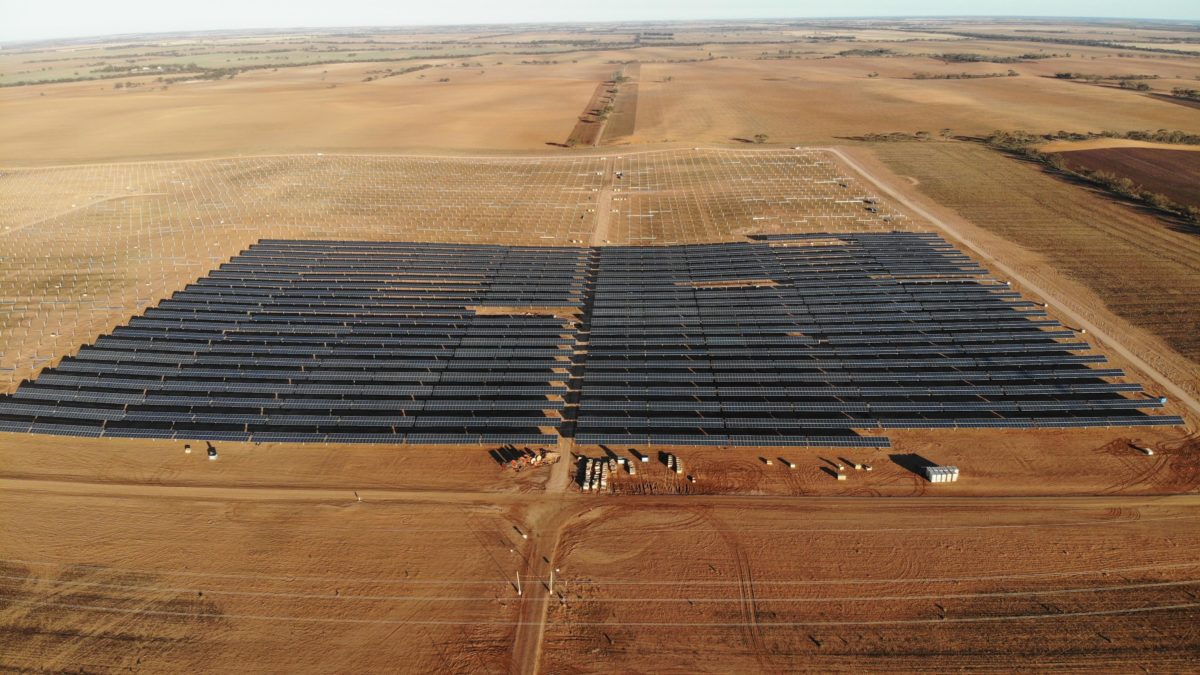
Our experience covers new high voltage transmission lines, network upgrades and duplications, route realignments, and the relocation of electricity assets associated with major transport, urban development and infrastructure projects. We have also supported distribution network upgrades, substation developments and grid connection works for renewable energy projects, working from early feasibility and route selection through to construction and commissioning.
ACHM’s multidisciplinary team provides heritage support across the full asset lifecycle, including due diligence assessments, Cultural Heritage Management Plans, historic heritage assessments, GIS based constraints mapping, stakeholder and Traditional Owner engagement, and construction monitoring. Projects have included 66kV powerlines between Somerton and Craigieburn and between Keilor East and Tullamarine, the powerline upgrade between Leongatha and Korumburra, the Rio Tinto Hope Downs 1 to Hope Downs 4 220kV powerline, Reeves Plain power station, Bairnsdale power station upgrades, and the BHP Ministers North 132kV powerline relocation.
That depth of experience is what allows us to manage regulatory risk, maintain project momentum and deliver compliant, practical outcomes on complex powerline, upgrade and relocation projects, in any Australian jurisdiction.
Client
Clients include BHP, Rio Tinto, Ventia, SP AusNet, ElectraNet and Alinta Energy
Location
National
Sectors
Minerals & Energy
Infrastructure
Public Sector
Renewables
Services
Project Snapshot
Results Delivered
Delivering Cultural Heritage Management for Transmission Line, Substation and Grid Connection Projects
Australian Cultural Heritage Management has delivered heritage services for a broad range of electricity infrastructure projects nationally, for clients including BHP, Rio Tinto, Ventia, SP AusNet, ElectraNet and Alinta Energy. Our team supports transmission lines, network upgrades, substation developments and grid connection works from route selection through to construction and commissioning, protecting energisation dates while managing regulatory risk across multiple jurisdictions.
Frequently Asked Questions
Do transmission line projects require a Cultural Heritage Management Plan?
It depends on the jurisdiction and the land the corridor crosses. In Victoria, a mandatory CHMP applies where a high impact activity occurs within an area of cultural heritage sensitivity, while other states apply different frameworks, so a corridor crossing state borders may need several instruments addressed under one project. Australian Cultural Heritage Management manages this across jurisdictions for national energy clients including BHP, Rio Tinto, SP AusNet and ElectraNet.
When should heritage assessment happen in a network infrastructure project?
Ideally at route selection, while alignment options remain open and constraints identified can be avoided at minimal cost. Once easements are acquired and towers are designed, the same constraint can mean salvage excavation or costly redesign. Australian Cultural Heritage Management supports clients from early feasibility and route selection through to construction and commissioning across the electricity network.
What is GIS-based constraints mapping and how does it help energy projects?
GIS-based constraints mapping combines heritage registers, sensitivity mapping and survey results into a single spatial layer, allowing route and siting decisions to be made against documented heritage risk rather than despite it. Australian Cultural Heritage Management provides constraints mapping as part of our heritage support for transmission, substation and grid connection projects nationally. Find out more about our GIS and mapping services.
Is heritage monitoring required during construction of powerline and substation projects?
Frequently, yes. Approvals commonly require archaeological monitoring of ground disturbance in sensitive areas, giving a project an immediate, compliant response if previously unrecorded material is exposed during works. Australian Cultural Heritage Management has provided construction monitoring for electricity infrastructure projects including transmission upgrades, substation developments and powerline relocations for clients such as BHP and Rio Tinto.