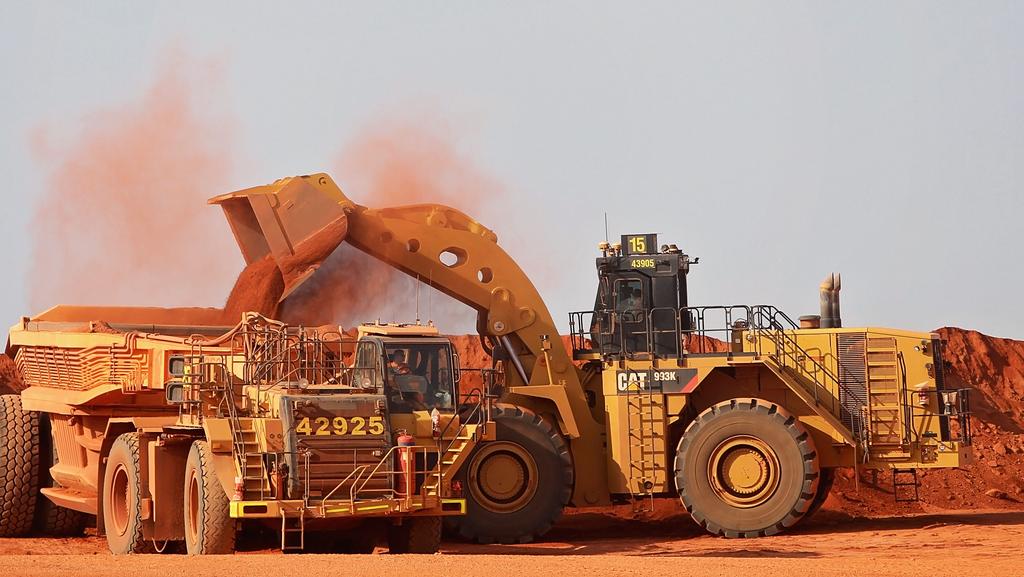
Strengthening Cultural Heritage Governance for Traditional Owners as the Argyle Diamond Mine Transitions Through Closure
Gelganyem is a group of entities that receives and manages the benefits payable under the Argyle Participation Agreement for the Traditional Owners of the Barramundi dreaming, in relation to their rights and interests in the Argyle diamond mine. The group includes Gelganyem Limited, trustee of the Gelganyem Trust, which manages funds for law and culture and for sustainable charitable outcomes after mine closure.
Australian Cultural Heritage Management (ACHM) is partnering with the Gelganyem Group to deliver high level cultural heritage strategy, governance support and technical advisory services as the Argyle Diamond Mine in the Kimberley transitions through closure.
Our role includes a comprehensive heritage audit, consolidation of data across decades of archaeological and ethnographic records, and the development of robust, forward looking management frameworks that provide compliance, clarity and continuity for Traditional Owner decision making.
ACHM is supporting Gelganyem to navigate complex site protection responsibilities, while streamlining reporting, structuring heritage datasets and strengthening long term cultural heritage stewardship.
The partnership reflects a commitment to corporate grade heritage solutions that uphold community values, regulatory requirements and best practice cultural governance.
Client
Gelganyem Group
Location
Kimberley, Western Australia
Sectors
Energy and Mining
Representative Bodies
Services
Results Delivered
Delivering Compliance Confidence and Continuity for Aboriginal Heritage Decision Making
Decades of archaeological and ethnographic records have been audited, consolidated and structured into datasets that Traditional Owners and decision makers can rely on. Australian Cultural Heritage Management developed forward looking management frameworks and streamlined reporting, giving Gelganyem clarity on complex site protection responsibilities. The result is a stronger, more defensible basis for long term cultural heritage stewardship at a critical point in the life of the asset.
Frequently Asked Questions
Why does cultural heritage matter in mine closure planning?
Closure decisions about rehabilitation, access and infrastructure removal can affect heritage places, and Traditional Owners have a continuing interest in how Country is left. Closure planning that accounts for heritage early gives clarity on site protection responsibilities and reduces the risk of unplanned impacts. Australian Cultural Heritage Management supports this work through heritage audits, data consolidation and management frameworks for the Gelganyem Group. Learn more about our mine closure planning services.
What is a cultural heritage audit?
A cultural heritage audit is a systematic review of existing heritage records, site registers and management obligations. It establishes what has been recorded, where information is incomplete or inconsistent, and what compliance responsibilities apply. At Argyle, a comprehensive heritage audit formed the starting point for consolidating decades of archaeological and ethnographic records into a clear, usable framework.
How can decades of archaeological and ethnographic records be consolidated?
Records from different surveys, years and formats are reviewed, standardised and structured into a single heritage dataset, usually supported by spatial mapping. This makes sites easier to find, report on and protect, and it gives decision makers one reliable source of information. Learn more about our heritage database services.
What role do Traditional Owners have in heritage management after a mine closes?
Traditional Owners hold cultural authority and ongoing responsibility for Country long after operations end. Management frameworks should therefore support their decision making with clear information, consistent reporting and defined protection responsibilities. Australian Cultural Heritage Management is developing forward looking frameworks for the Gelganyem Group that provide compliance, clarity and continuity.
Is Aboriginal heritage still protected after a mine closes in Western Australia?
Yes. Aboriginal sites remain protected under the Aboriginal Heritage Act 1972 (WA) regardless of whether a mine is operating, and a site does not need to be registered to be protected. Closure activities that could damage or alter a site still need to be assessed against the Act, which is why up to date records and clear management frameworks are so important.