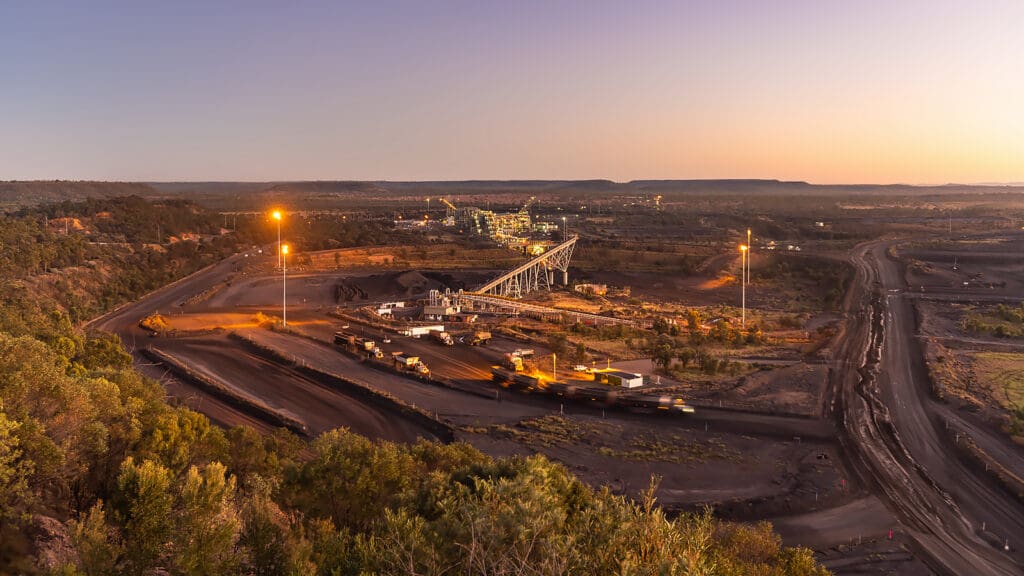
Managing Aboriginal Cultural Heritage for a Proposed Bauxite Mine in Remote Far North Queensland
Glencore Bauxite is the Glencore business behind the proposed Aurukun bauxite mine on the western Cape York Peninsula. Glencore is one of the world’s largest diversified natural resource companies, operating across both commodity production and global commodity trading.
Australian Cultural Heritage Management (ACHM) was engaged by Glencore Bauxite to manage the cultural heritage requirements of a proposed bauxite mine near Aurukun on the Cape York Peninsula in far north Queensland.
The project involved extensive community consultation, survey and excavation across some very remote areas, alongside assistance writing company heritage policies and procedures for the proposed operation.
By combining on ground heritage investigation with practical policy support, ACHM gave Glencore Bauxite both the field evidence and the written procedures needed to manage cultural heritage responsibly at a remote site.
Client
Glencore Bauxite
Location
Aurukun, Cape York
Sectors
Energy & Mining
Services
Results Delivered
Giving Proponents a Defensible Cultural Heritage Foundation Through Consultation and Fieldwork
Working in a demanding setting, Australian Cultural Heritage Management brought consultation, archaeological fieldwork and practical documentation together in a single program for Glencore Bauxite. The result was a clear understanding of cultural heritage values across the project area and written company procedures to guide responsible decision making as the proposal developed.
Frequently Asked Questions
Do mining projects in Queensland need a cultural heritage management plan?
Under the Aboriginal Cultural Heritage Act 2003 (Qld), a cultural heritage management plan is compulsory where an Environmental Impact Statement is required, and a plan can also be entered into voluntarily to provide certainty. A plan is an agreement between the project proponent and the relevant Aboriginal party. Australian Cultural Heritage Management managed the cultural heritage requirements for Glencore Bauxite’s proposed mine near Aurukun.
What is the cultural heritage duty of care in Queensland?
The duty of care requires anyone carrying out an activity to take all reasonable and practicable measures to ensure the activity does not harm Aboriginal cultural heritage. Activities such as walking or driving on existing roads and tracks are generally considered unlikely to cause harm, but ground disturbing work such as mining is not. Following an approved plan or established guidelines is the most reliable way to meet the duty.
How are heritage surveys carried out in very remote areas?
Remote surveys depend on early consultation with the relevant Aboriginal parties, careful access and logistics planning, and field teams experienced in working safely in isolated country. For Glencore Bauxite’s proposed Aurukun mine, Australian Cultural Heritage Management carried out consultation, survey and excavation across some very remote areas.
Why do mining companies need cultural heritage policies and procedures?
Written policies and procedures give staff and contractors clear rules for working near heritage places, including access controls, reporting and what to do if something unexpected is found. They turn a company’s cultural heritage commitments into day to day practice. Australian Cultural Heritage Management assisted Glencore Bauxite with writing these documents for the proposed Aurukun operation.